

Gregorio Diamonds · A. Lange & Söhne
A. Lange & Sohne
Explore A. Lange & Söhne at Gregorio Diamonds in Hialeah, Florida. Start with a watch family, then compare individual designs by reference, case material and dial. From the asymmetric Lange 1 to the jumping numerals of Zeitwerk, each family offers a different expression of the manufacture's approach to mechanical watchmaking. Choose a design to begin a buying or selling inquiry.
Gregorio Diamonds offers personal assistance with buying and selling A. Lange & Söhne watches in Hialeah, Florida.
A. Lange & Söhne
Model Families
A. Lange & Söhne
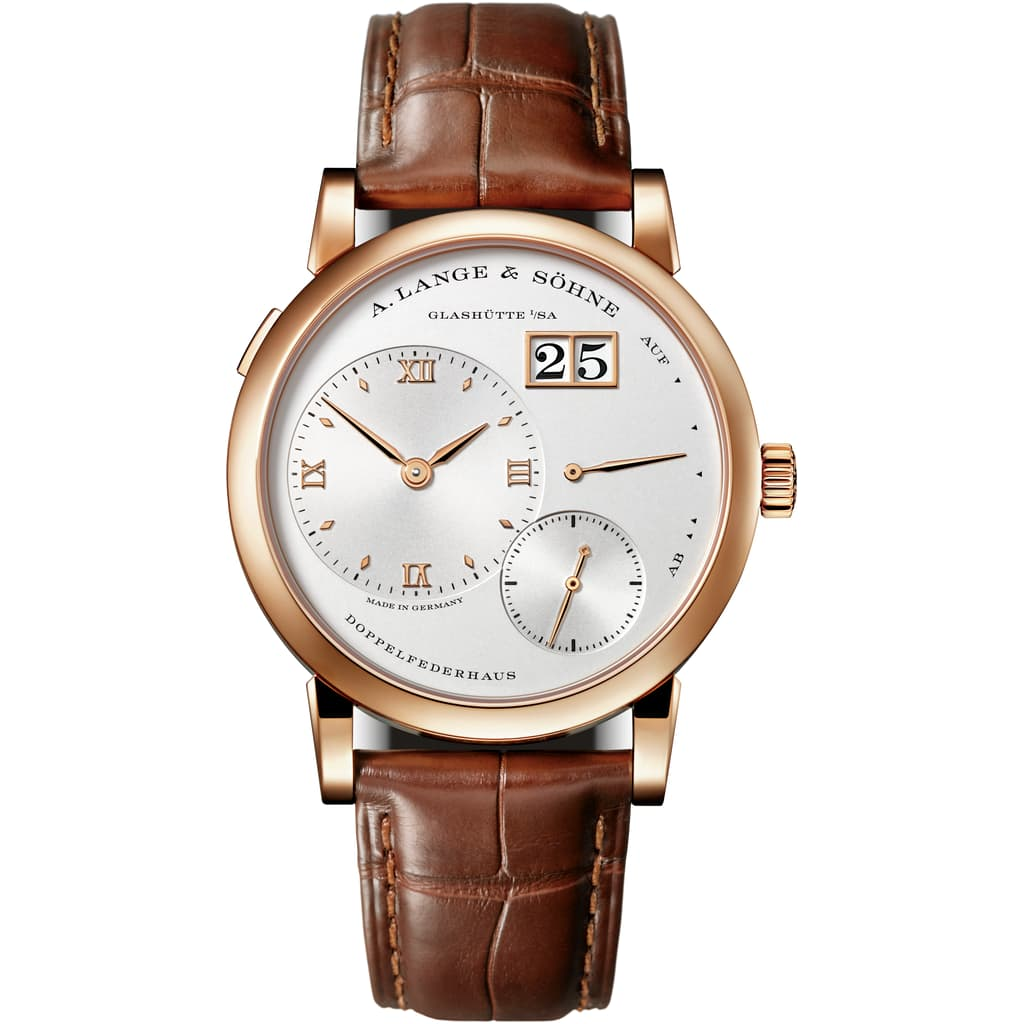
Lange 1
Asymmetric displays and the distinctive outsize date define Lange 1, with variations in scale, calendar functions and the arrangement of information.
A. Lange & Söhne
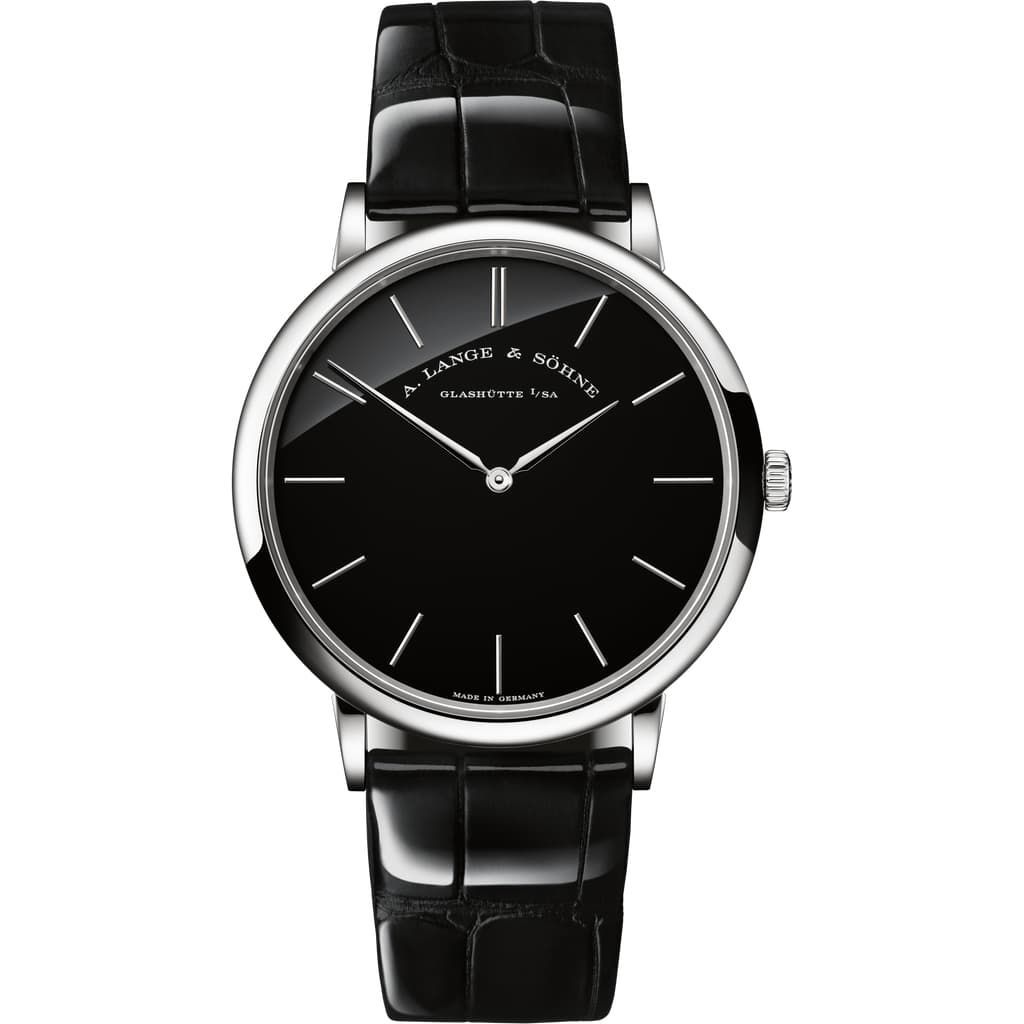
Saxonia
Saxonia ranges from restrained time displays to Datograph chronographs and elaborate complications, connected by clear proportions and carefully considered details.
A. Lange & Söhne
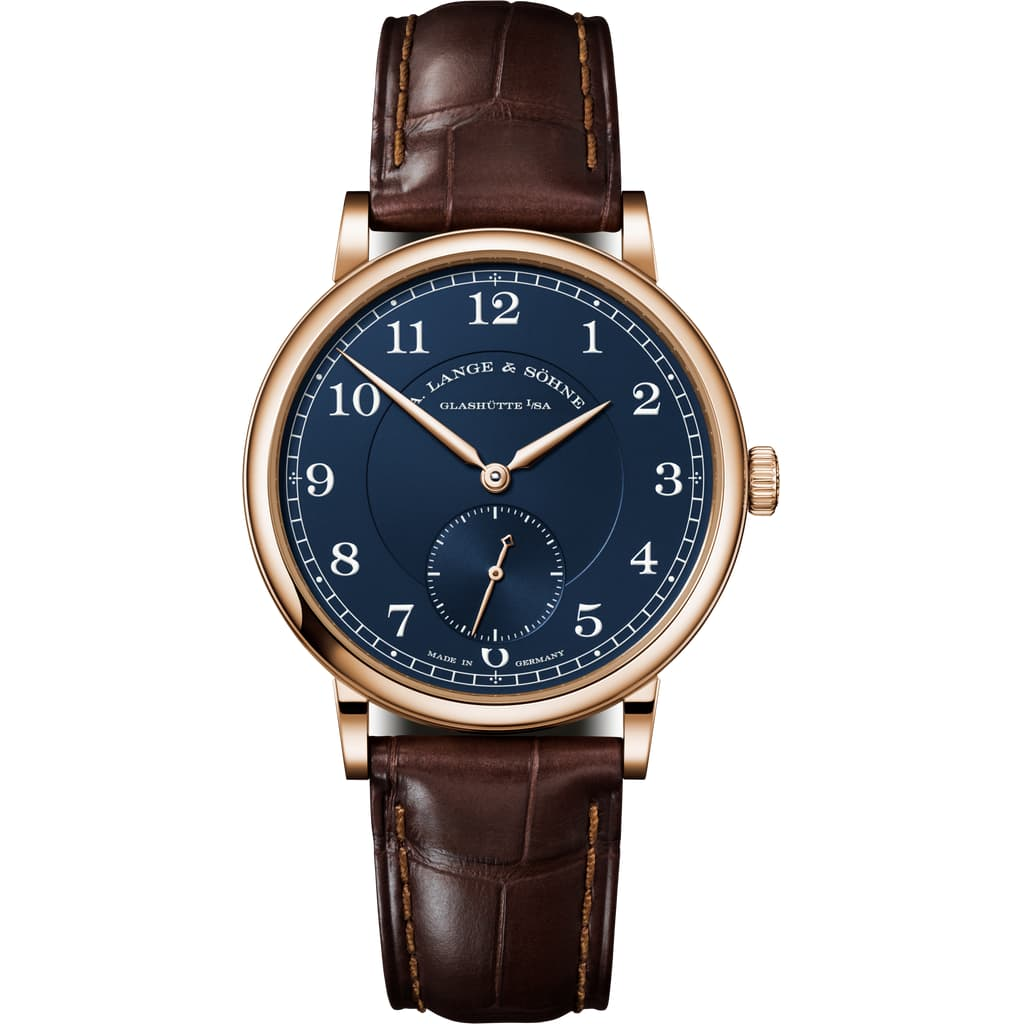
1815
Arabic numerals and a railway minute scale give 1815 its traditional character, from simple time displays to chronographs and calendar complications.
A. Lange & Söhne
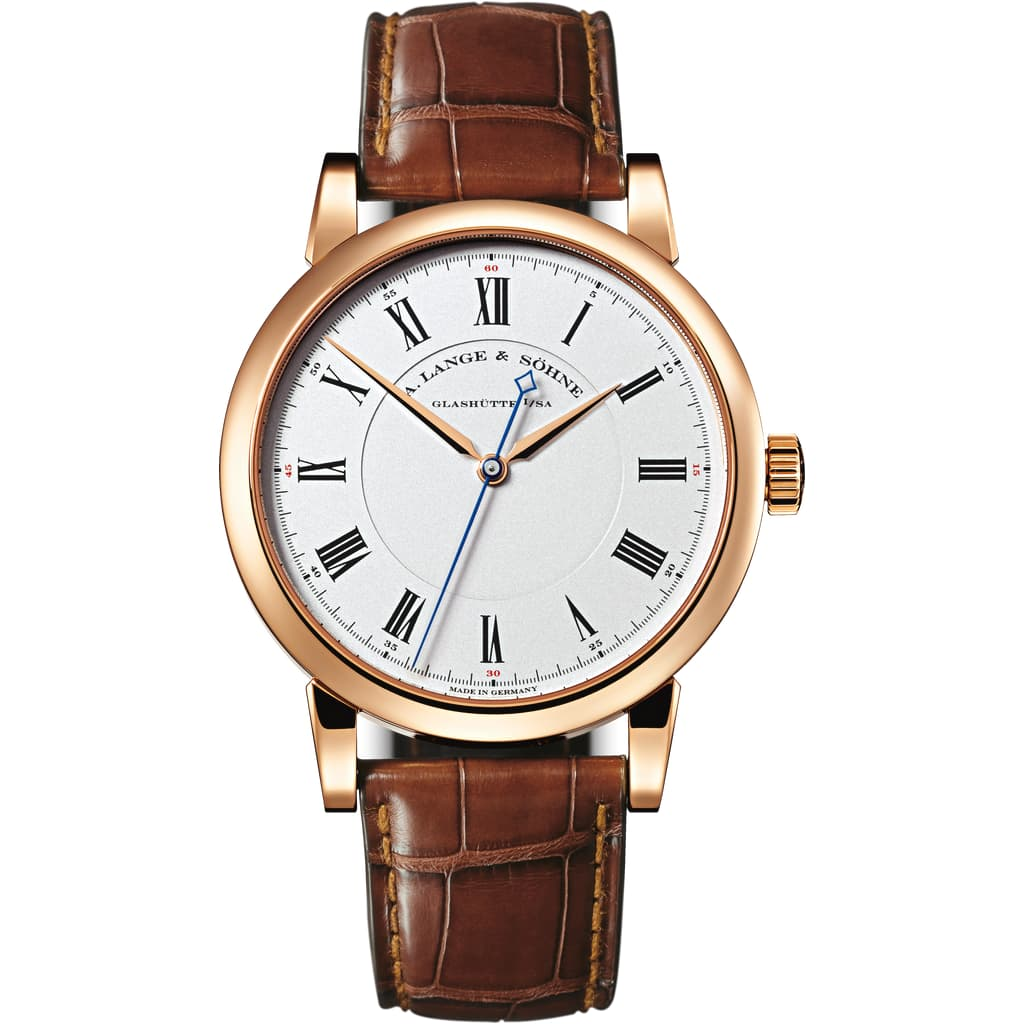
Richard Lange
Inspired by observation watches, Richard Lange focuses on legibility and precision, with both classic time displays and distinctive regulator-style arrangements.
A. Lange & Söhne
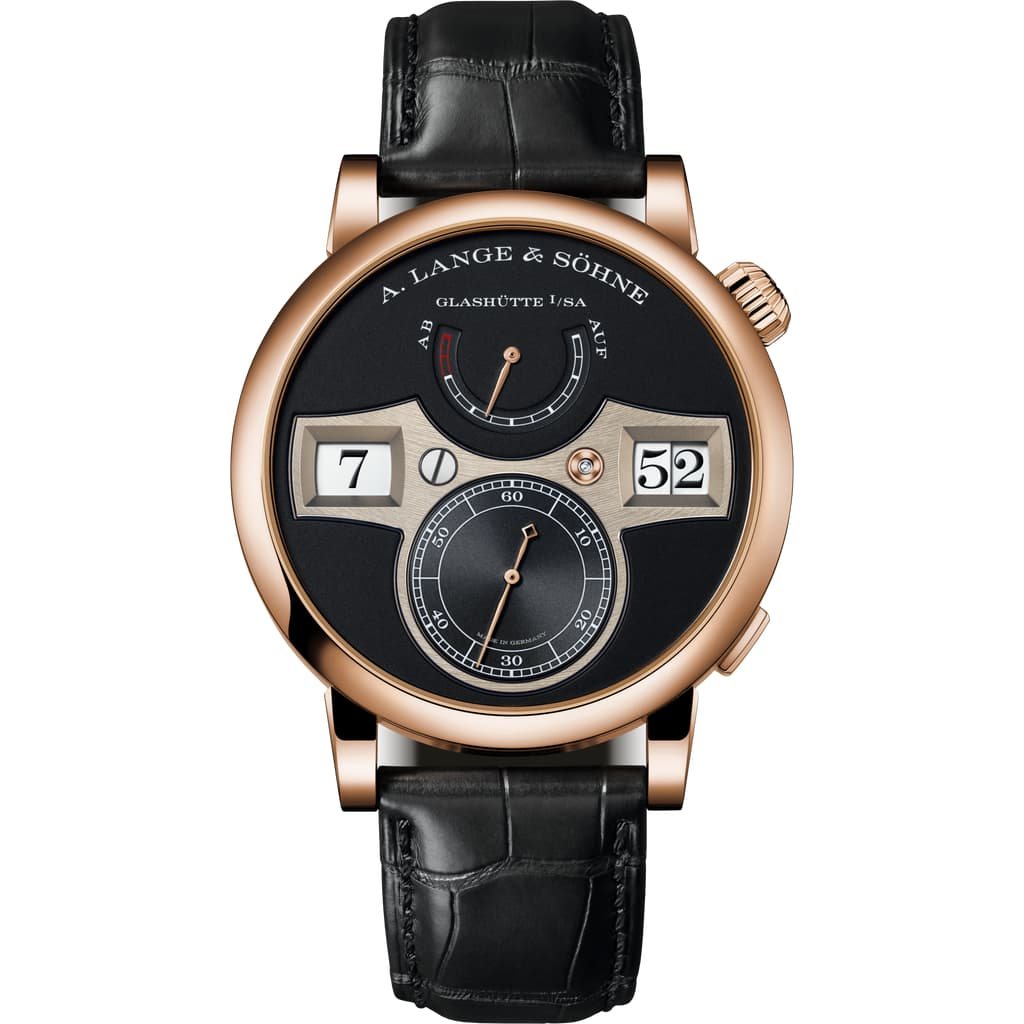
Zeitwerk
Zeitwerk presents hours and minutes through jumping numerals, combining a mechanical movement with an immediately distinctive digital display and sculpted time bridge.
A. Lange & Söhne
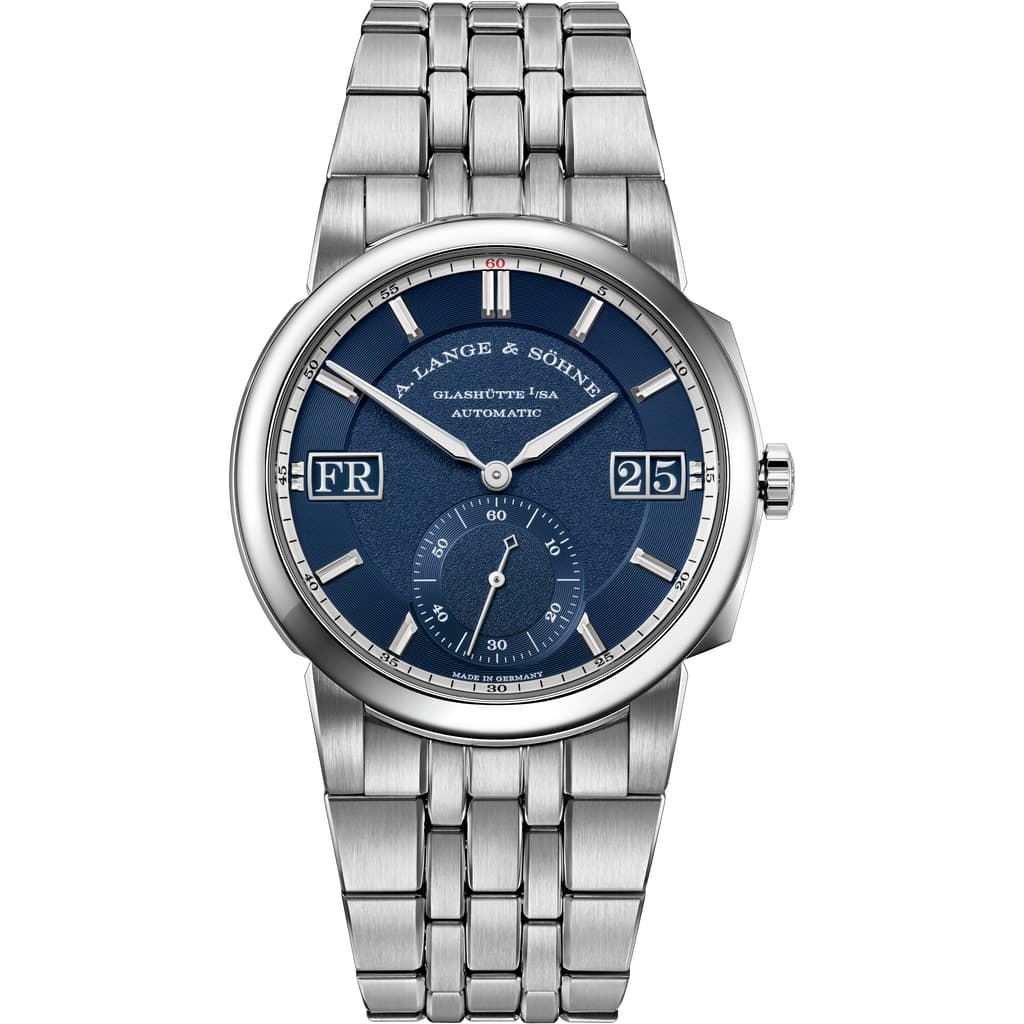
Odysseus
Odysseus combines a sporty case design with prominent day and date displays, extending Lange's mechanical watchmaking into a distinctive everyday style.
A. Lange & Söhne
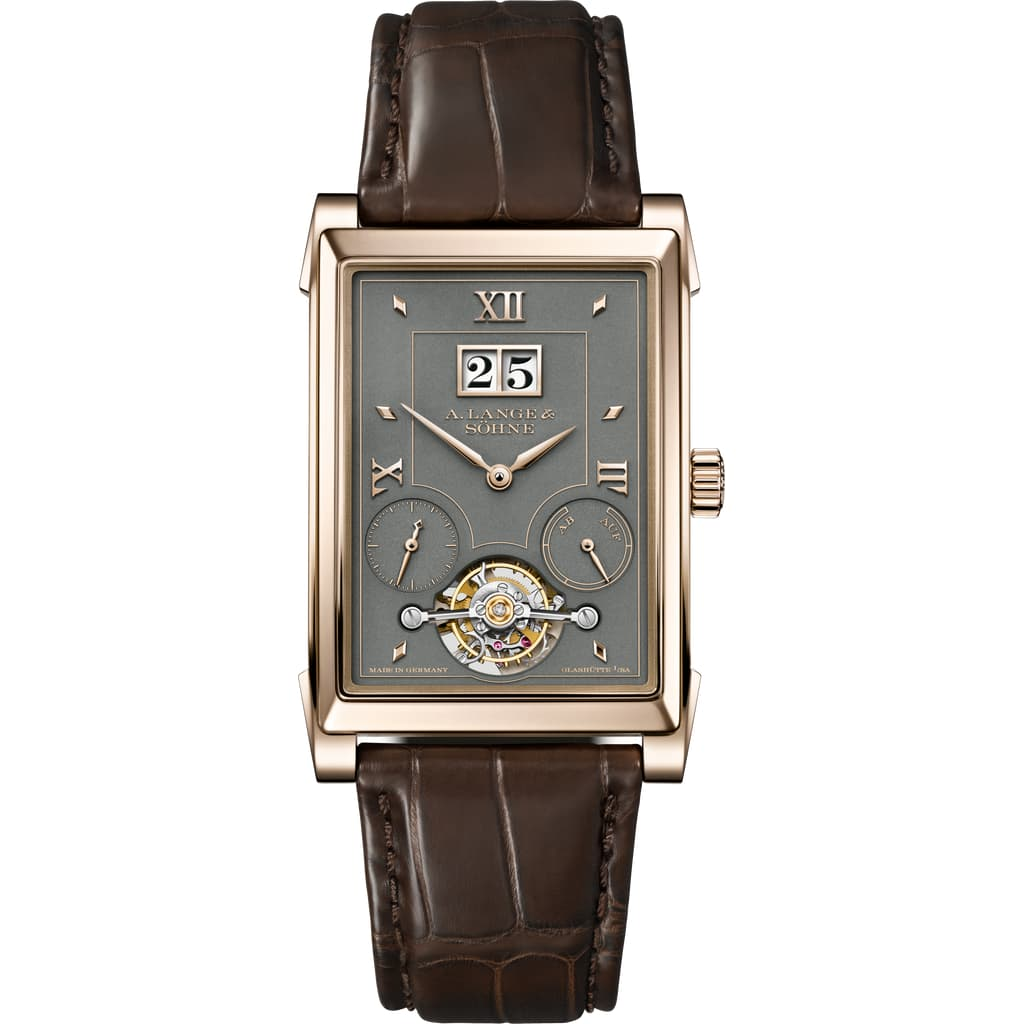
Cabaret
Cabaret brings a rectangular silhouette to Lange watchmaking, with a shaped movement and a prominent tourbillon in the Honeygold interpretation.
No Matching Model Families
Choosing an A. Lange & Söhne Watch
Start With the Dial
Think about the way you prefer to read time. Lange 1 separates its indications across the dial; 1815 uses a more traditional arrangement; Zeitwerk presents hours and minutes as numerals. Richard Lange explores the language of precision instruments, while Odysseus brings day and date displays into a sporty design. The best starting point is the layout you enjoy looking at and using.
Compare the Particular Reference
A family or model name can cover several versions. The exact reference helps distinguish case material, dial treatment and the particular execution of a watch. Compare those details together rather than choosing by a name alone. For a watch you already own, the reference also keeps a selling inquiry connected to the individual design.
Consider the Mechanism and Proportions
A hand-wound watch makes winding part of the routine, while an automatic movement uses a rotor to replenish its energy as it is worn. Calendar displays, chronographs and other complications add different functions and change the arrangement of the dial. Case height, shape and the relationship between the lugs and strap also matter to how a watch feels on the wrist.
Put Your Inquiry in Context
Select the individual design you want to discuss so its model and reference travel with your inquiry. You can add the details that matter to you in your own words. When selling, condition, included box and papers, and any history you wish to share help describe your particular watch. A desired selling price is optional.
A. Lange & Söhne History and Watchmaking
A Glashütte Beginning
Ferdinand Adolph Lange founded his watchmaking business in Glashütte on December 7, 1845. The town in Saxony became closely associated with the pursuit of precise timekeeping, and that connection remains central to A. Lange & Söhne. The name points to both a family history and a place with its own watchmaking traditions.
That background offers a useful way to look at the watches today. Readability, the structure of the movement and the treatment of small components all contribute to their character. A restrained dial and an elaborate complication can express the same interest in how a watch is organized and finished.
The Return in 1990
Walter Lange re-established the company on December 7, 1990, 145 years after its original founding. With Günter Blümlein, he helped bring a new generation of Lange wristwatches into being. Their first modern collection was presented at the Dresden Royal Palace on October 24, 1994.
The four debut models were Lange 1, Saxonia, Arkade and Tourbillon “Pour le Mérite.” They approached the wristwatch in different ways, from the asymmetric arrangement of Lange 1 to the shaped Arkade and the technical ambition of the tourbillon. The collection established room for both clear design and complex mechanisms.
A View Into the Movement
Lange's movements are developed, made, finished and assembled in its Glashütte manufacture. Traditional features such as German-silver plates, carefully finished bridges and hand engraving form an important part of their appearance. The decoration extends beyond the most visible surfaces, making the movement more than a set of parts seen through the caseback.
The manufacture also uses a two-stage assembly process: a movement is assembled, taken apart and assembled again after finishing and preparation. This attention to construction and finish helps explain why the reverse of a Lange watch can invite as much attention as the dial.
Different Ways to Measure Time
The families show how much variety can exist within mechanical watchmaking. The Datograph arrived in 1999 and became an important part of the Saxonia story. In 2009, Zeitwerk introduced its jumping digital indications, using a mechanical system to advance the large numerals. Odysseus followed in 2019 with a sportier direction.
Those developments sit alongside the traditional details of 1815 and the observation-watch inspiration of Richard Lange. Cabaret adds a rectangular case and a movement designed around that shape. Exploring the families side by side makes their differences easier to understand without losing sight of the ideas they share.
Materials, Displays and Individual Character
Case material and dial color can change the personality of an otherwise related design. Gold, platinum and the materials used in Odysseus offer different visual impressions; Lange's Honeygold has its own place in selected models. A calendar display, a moon phase or a power-reserve indicator can also change the balance of a dial.
The individual reference brings those choices together. It connects a particular material, appearance and mechanism with a specific version of the watch. Use the family to find a direction, then take time with the individual designs to decide which details matter most to you.
Frequently Asked Questions
How Do I Choose Between the Lange Families?
Start with the dial and the functions you enjoy. Lange 1 is known for its asymmetric arrangement, 1815 for traditional details, Zeitwerk for jumping numerals and Odysseus for a sporty character. Explore the individual references to compare particular versions.
Why Is the Exact Reference Important?
A model name can include different materials, dials and executions. The exact reference identifies the version you want to discuss and accompanies your inquiry when you select a design.
What Is the Difference Between Hand-Wound and Automatic?
A hand-wound movement receives energy when you wind its crown. An automatic movement uses a rotor driven by movement of the watch to wind the mainspring. The winding system is one detail to compare when choosing a watch.
What Can I Include in a Selling Inquiry?
Choose the design, then share the condition, whether you have the original box and papers, and any additional history you consider useful. You can include a desired selling price if you wish.
Have Something Particular in Mind?
Tell us which A. Lange & Söhne watch interests you, or share the watch you would like to sell.
Gregorio Diamonds · A. Lange & Söhne
A. Lange & Sohne
Explore A. Lange & Söhne at Gregorio Diamonds in Hialeah, Florida. Start with a watch family, then compare individual designs by reference, case material and dial. From the asymmetric Lange 1 to the jumping numerals of Zeitwerk, each family offers a different expression of the manufacture's approach to mechanical watchmaking. Choose a design to begin a buying or selling inquiry.
Gregorio Diamonds offers personal assistance with buying and selling A. Lange & Söhne watches in Hialeah, Florida.
A. Lange & Söhne
Model Families
A. Lange & Söhne
Lange 1
Asymmetric displays and the distinctive outsize date define Lange 1, with variations in scale, calendar functions and the arrangement of information.
A. Lange & Söhne
Saxonia
Saxonia ranges from restrained time displays to Datograph chronographs and elaborate complications, connected by clear proportions and carefully considered details.
A. Lange & Söhne
1815
Arabic numerals and a railway minute scale give 1815 its traditional character, from simple time displays to chronographs and calendar complications.
A. Lange & Söhne
Richard Lange
Inspired by observation watches, Richard Lange focuses on legibility and precision, with both classic time displays and distinctive regulator-style arrangements.
A. Lange & Söhne
Zeitwerk
Zeitwerk presents hours and minutes through jumping numerals, combining a mechanical movement with an immediately distinctive digital display and sculpted time bridge.
A. Lange & Söhne
Odysseus
Odysseus combines a sporty case design with prominent day and date displays, extending Lange's mechanical watchmaking into a distinctive everyday style.
A. Lange & Söhne
Cabaret
Cabaret brings a rectangular silhouette to Lange watchmaking, with a shaped movement and a prominent tourbillon in the Honeygold interpretation.
No Matching Model Families
Choosing an A. Lange & Söhne Watch
Start With the Dial
Think about the way you prefer to read time. Lange 1 separates its indications across the dial; 1815 uses a more traditional arrangement; Zeitwerk presents hours and minutes as numerals. Richard Lange explores the language of precision instruments, while Odysseus brings day and date displays into a sporty design. The best starting point is the layout you enjoy looking at and using.
Compare the Particular Reference
A family or model name can cover several versions. The exact reference helps distinguish case material, dial treatment and the particular execution of a watch. Compare those details together rather than choosing by a name alone. For a watch you already own, the reference also keeps a selling inquiry connected to the individual design.
Consider the Mechanism and Proportions
A hand-wound watch makes winding part of the routine, while an automatic movement uses a rotor to replenish its energy as it is worn. Calendar displays, chronographs and other complications add different functions and change the arrangement of the dial. Case height, shape and the relationship between the lugs and strap also matter to how a watch feels on the wrist.
Put Your Inquiry in Context
Select the individual design you want to discuss so its model and reference travel with your inquiry. You can add the details that matter to you in your own words. When selling, condition, included box and papers, and any history you wish to share help describe your particular watch. A desired selling price is optional.
A. Lange & Söhne History and Watchmaking
A Glashütte Beginning
Ferdinand Adolph Lange founded his watchmaking business in Glashütte on December 7, 1845. The town in Saxony became closely associated with the pursuit of precise timekeeping, and that connection remains central to A. Lange & Söhne. The name points to both a family history and a place with its own watchmaking traditions.
That background offers a useful way to look at the watches today. Readability, the structure of the movement and the treatment of small components all contribute to their character. A restrained dial and an elaborate complication can express the same interest in how a watch is organized and finished.
The Return in 1990
Walter Lange re-established the company on December 7, 1990, 145 years after its original founding. With Günter Blümlein, he helped bring a new generation of Lange wristwatches into being. Their first modern collection was presented at the Dresden Royal Palace on October 24, 1994.
The four debut models were Lange 1, Saxonia, Arkade and Tourbillon “Pour le Mérite.” They approached the wristwatch in different ways, from the asymmetric arrangement of Lange 1 to the shaped Arkade and the technical ambition of the tourbillon. The collection established room for both clear design and complex mechanisms.
A View Into the Movement
Lange's movements are developed, made, finished and assembled in its Glashütte manufacture. Traditional features such as German-silver plates, carefully finished bridges and hand engraving form an important part of their appearance. The decoration extends beyond the most visible surfaces, making the movement more than a set of parts seen through the caseback.
The manufacture also uses a two-stage assembly process: a movement is assembled, taken apart and assembled again after finishing and preparation. This attention to construction and finish helps explain why the reverse of a Lange watch can invite as much attention as the dial.
Different Ways to Measure Time
The families show how much variety can exist within mechanical watchmaking. The Datograph arrived in 1999 and became an important part of the Saxonia story. In 2009, Zeitwerk introduced its jumping digital indications, using a mechanical system to advance the large numerals. Odysseus followed in 2019 with a sportier direction.
Those developments sit alongside the traditional details of 1815 and the observation-watch inspiration of Richard Lange. Cabaret adds a rectangular case and a movement designed around that shape. Exploring the families side by side makes their differences easier to understand without losing sight of the ideas they share.
Materials, Displays and Individual Character
Case material and dial color can change the personality of an otherwise related design. Gold, platinum and the materials used in Odysseus offer different visual impressions; Lange's Honeygold has its own place in selected models. A calendar display, a moon phase or a power-reserve indicator can also change the balance of a dial.
The individual reference brings those choices together. It connects a particular material, appearance and mechanism with a specific version of the watch. Use the family to find a direction, then take time with the individual designs to decide which details matter most to you.
Frequently Asked Questions
How Do I Choose Between the Lange Families?
Start with the dial and the functions you enjoy. Lange 1 is known for its asymmetric arrangement, 1815 for traditional details, Zeitwerk for jumping numerals and Odysseus for a sporty character. Explore the individual references to compare particular versions.
Why Is the Exact Reference Important?
A model name can include different materials, dials and executions. The exact reference identifies the version you want to discuss and accompanies your inquiry when you select a design.
What Is the Difference Between Hand-Wound and Automatic?
A hand-wound movement receives energy when you wind its crown. An automatic movement uses a rotor driven by movement of the watch to wind the mainspring. The winding system is one detail to compare when choosing a watch.
What Can I Include in a Selling Inquiry?
Choose the design, then share the condition, whether you have the original box and papers, and any additional history you consider useful. You can include a desired selling price if you wish.
Have Something Particular in Mind?
Tell us which A. Lange & Söhne watch interests you, or share the watch you would like to sell.