

Gregorio Diamonds · Vacheron Constantin
Vacheron Constantin
Explore Vacheron Constantin wristwatches at Gregorio Diamonds in Hialeah, Florida. Start with a model family, compare individual designs and references, or tell us about the watch you would like to buy or sell.
Gregorio Diamonds offers personal assistance with buying and selling Vacheron Constantin watches in Hialeah, Florida.
Vacheron Constantin
Model Families
Vacheron Constantin
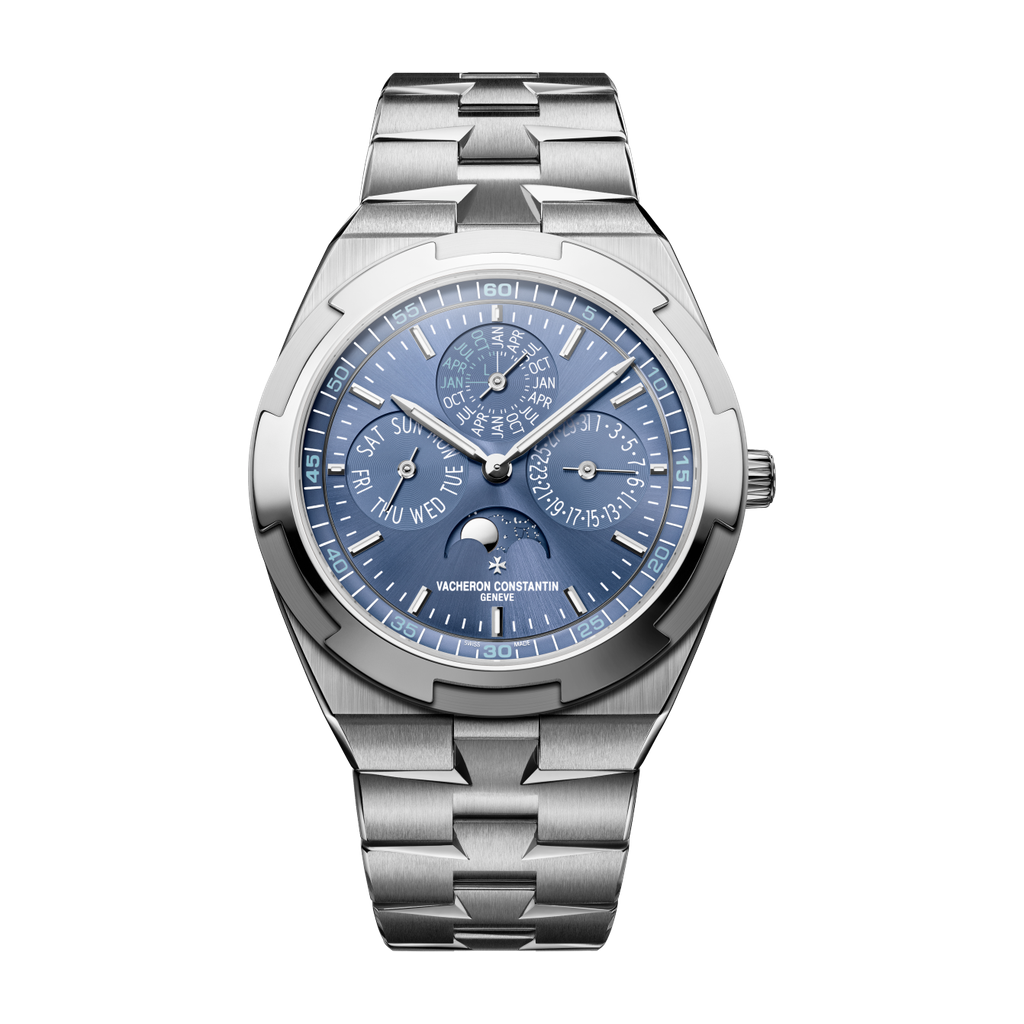
Overseas
Overseas combines a sporting case and distinctive bracelet with designs that range from straightforward time displays to travel functions and complicated calendars.
Vacheron Constantin
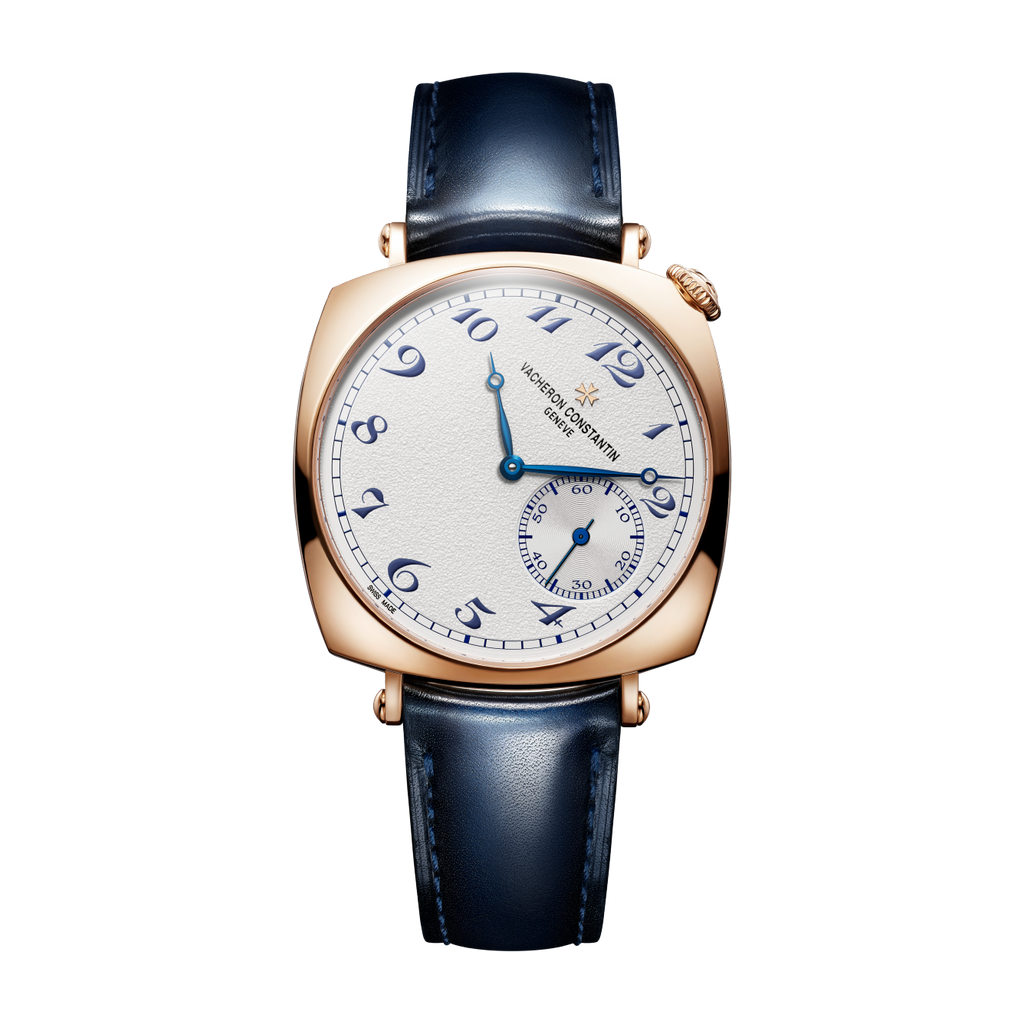
Historiques
Historiques revisits distinctive earlier designs, from the angled display of American 1921 to the integrated bracelet of 222 and sculpted chronograph lugs.
Vacheron Constantin
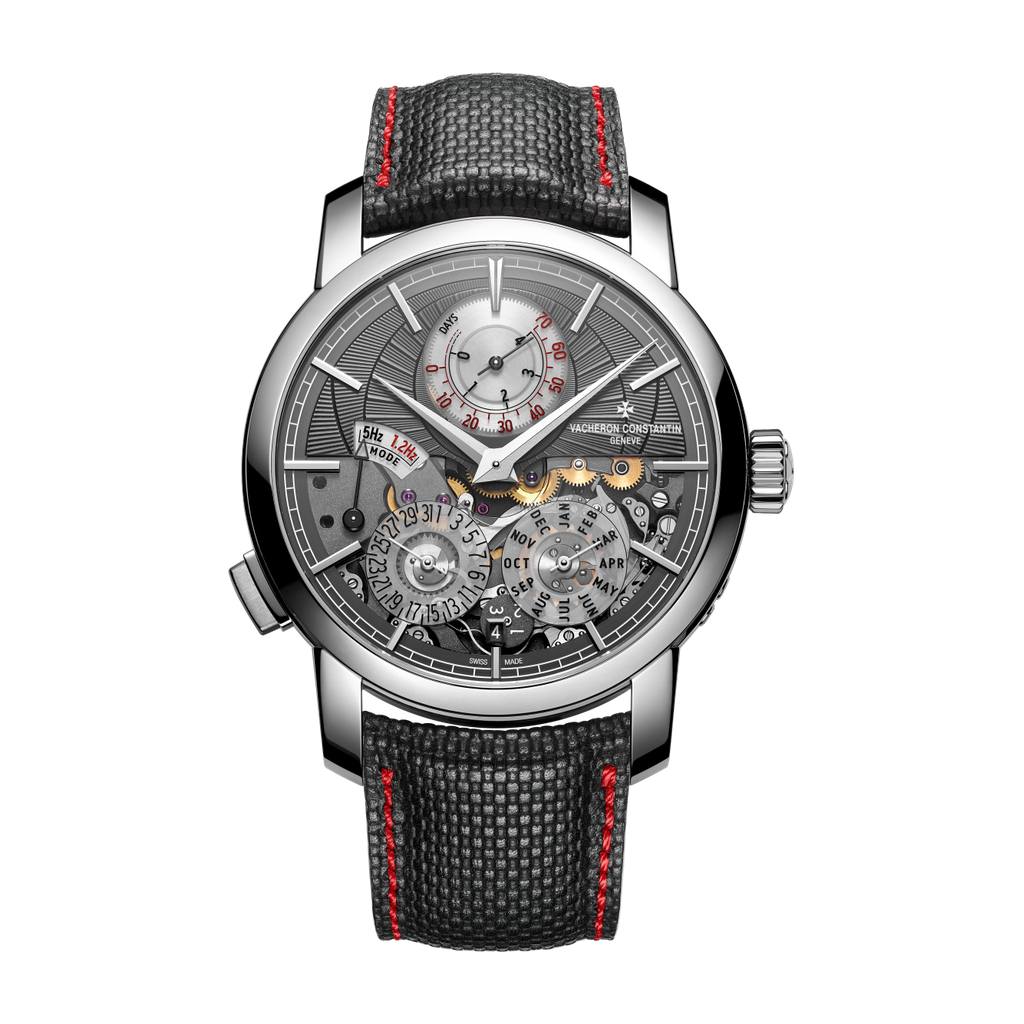
Traditionnelle
Traditionnelle explores Genevan watchmaking through carefully arranged dials, with individual designs spanning simple displays, calendars, openworked views and more involved mechanical functions.
Vacheron Constantin
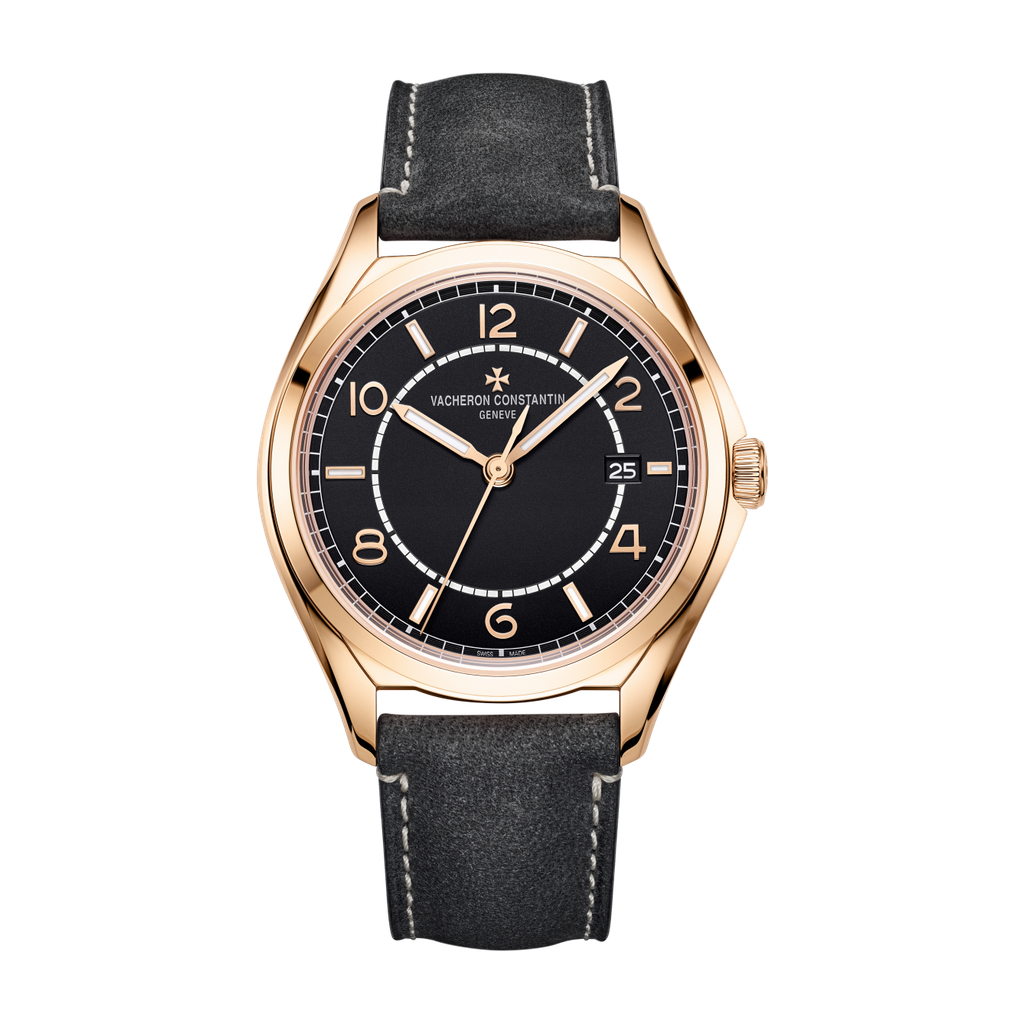
Fiftysix
Inspired by a 1956 design, Fiftysix pairs a round dial with shaped lugs and offers several approaches to displaying time and calendar information.
Vacheron Constantin
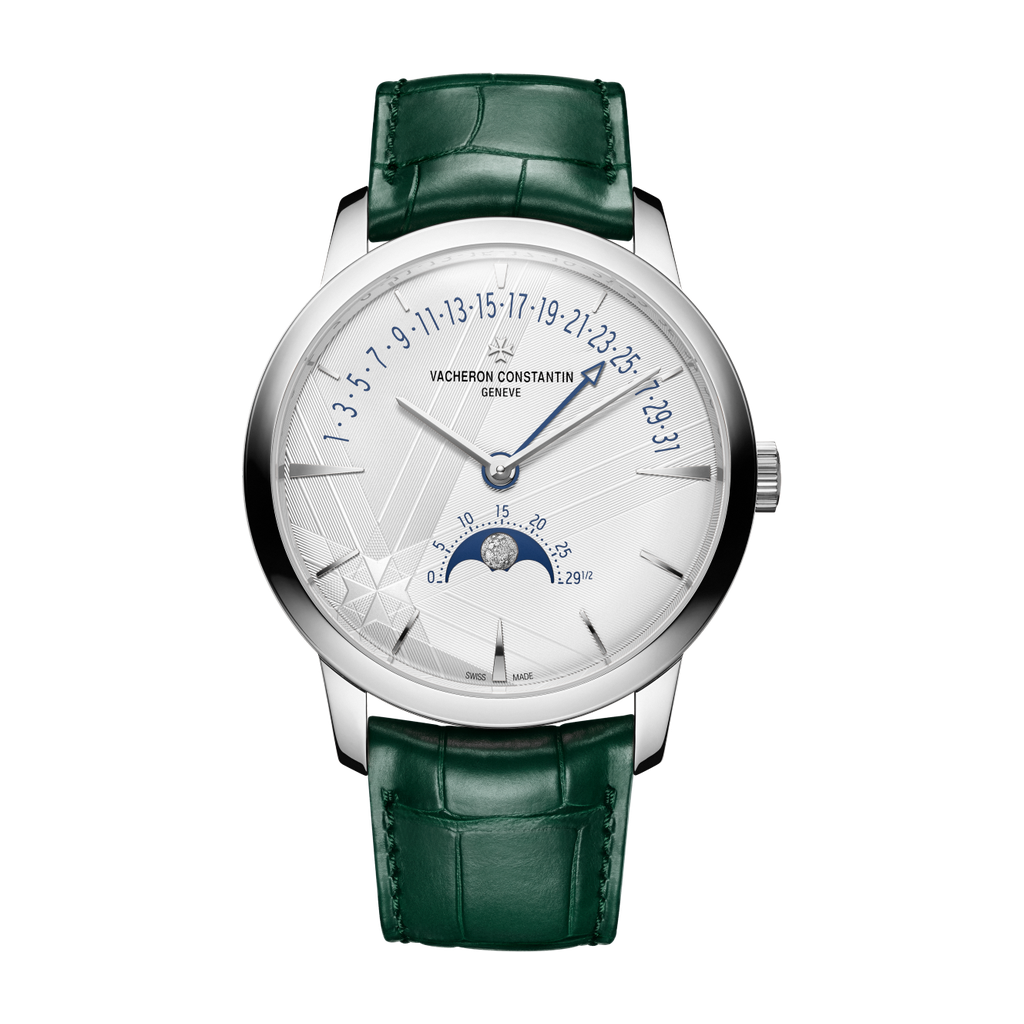
Patrimony
Patrimony emphasizes the round case and uncluttered dial, drawing on 1950s designs while exploring different displays, proportions and winding systems.
Vacheron Constantin
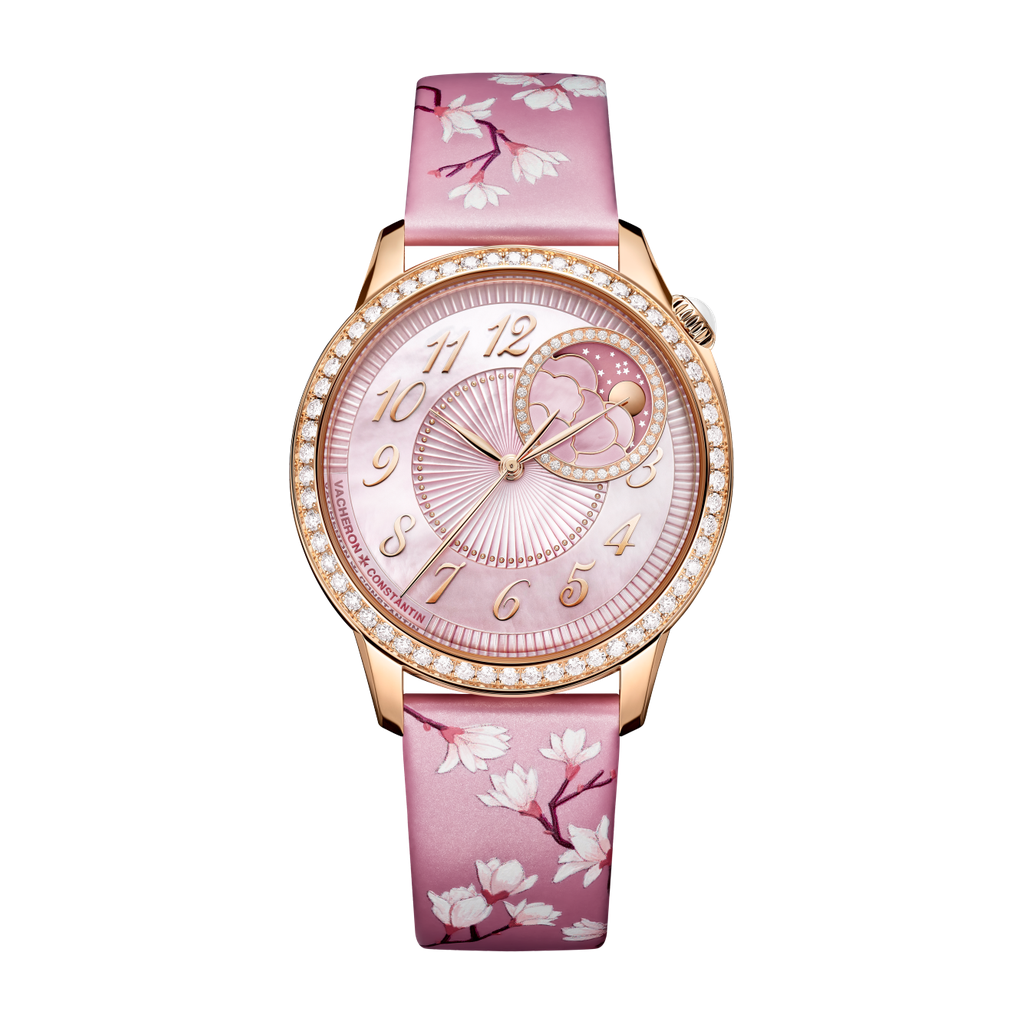
Égérie
Égérie brings couture influences to wristwatch design, combining textured dials and expressive details with distinct time, date and moon-phase arrangements.
Vacheron Constantin
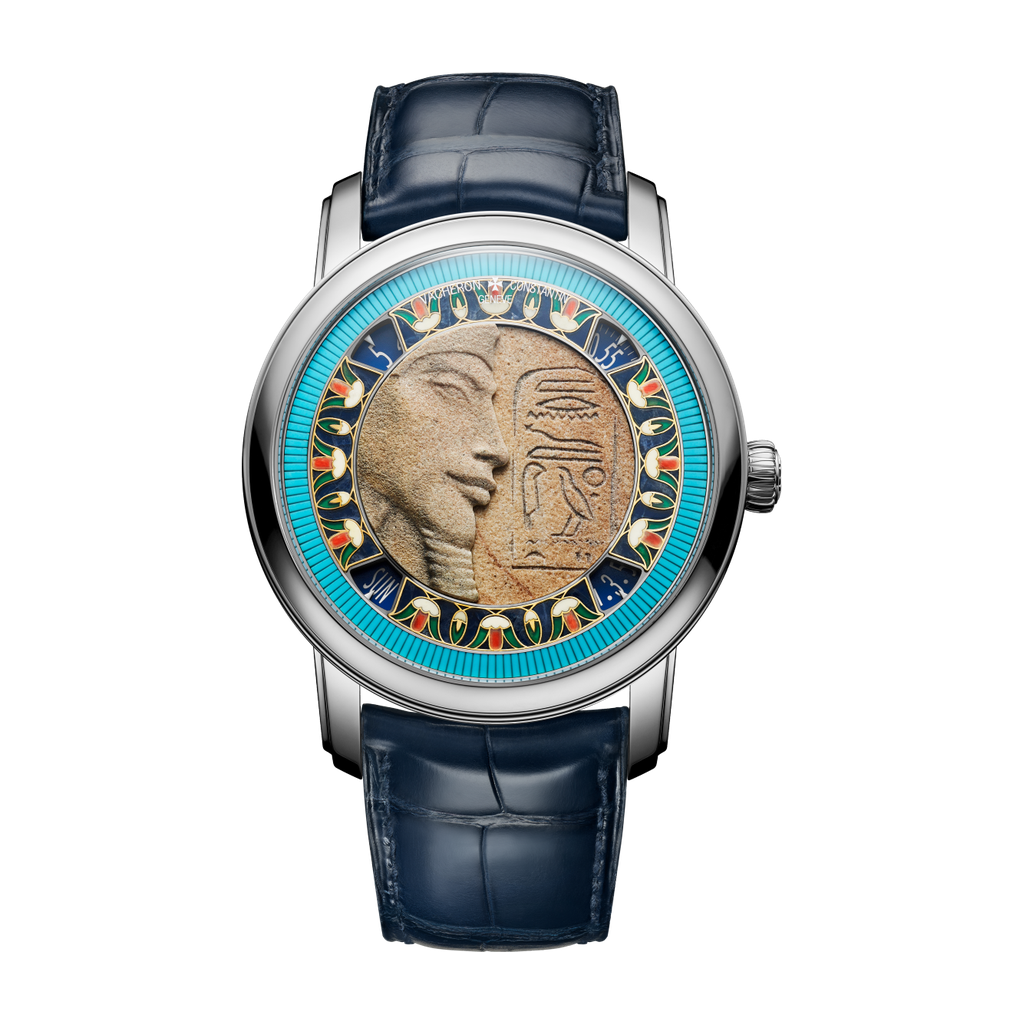
Métiers d’Art
Métiers d'Art places decorative craftsmanship at the center of the watch, using individual designs to explore artistic subjects, cultural traditions and unusual dial compositions.
Vacheron Constantin
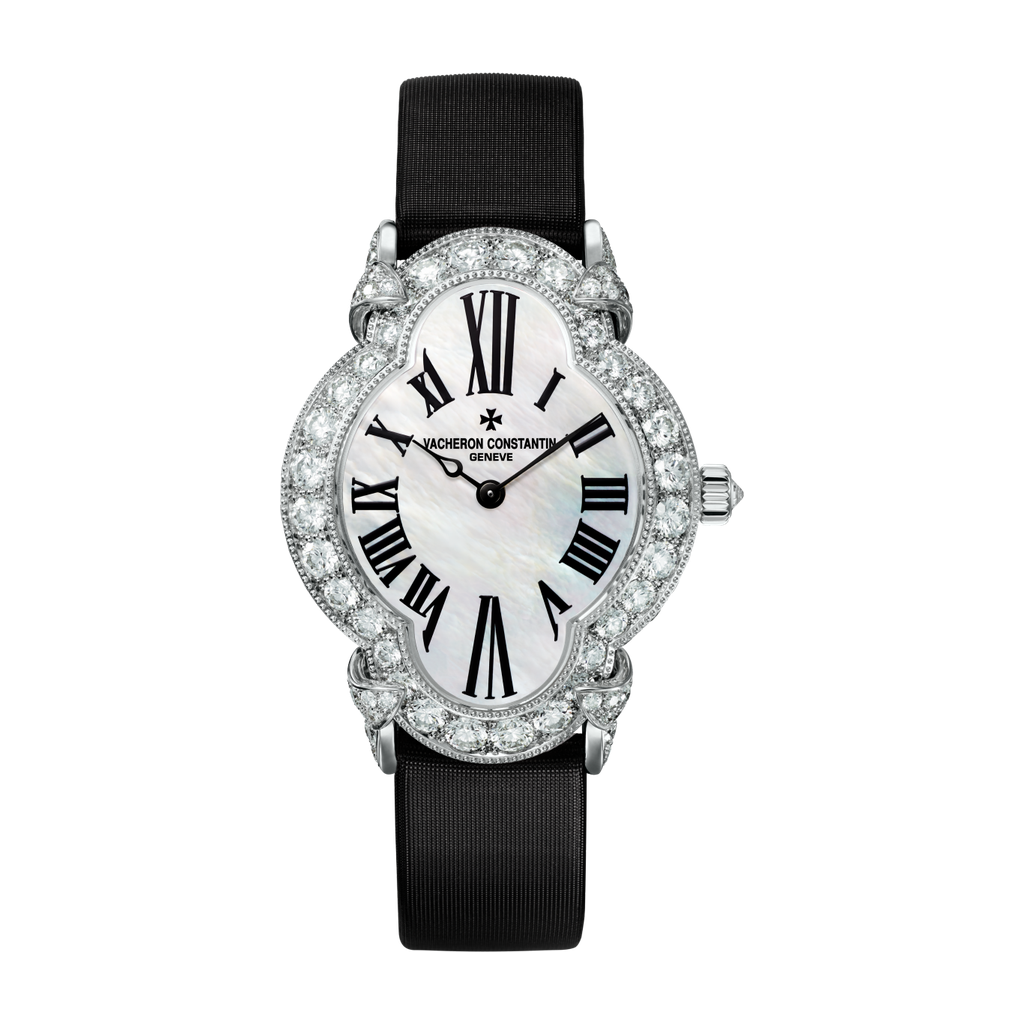
Heures Créatives
Heures Créatives interprets the decorative styles of earlier decades through jewelry watches, with shaped outlines and detailed surfaces framing the time display.
No Matching Model Families
Choosing a Vacheron Constantin Wristwatch
Begin With the Outline
Consider which shape feels right before comparing specifications. Patrimony's round simplicity, an Overseas bracelet and the rotated display of American 1921 offer different starting points. Look at the case, lugs and strap together. A watch's presence comes from those relationships as well as its stated dimensions.
Choose a Display You Enjoy Reading
Think about the information you want to see each day. A clear time display, a travel function and a calendar create different layouts and different interactions. More indications do not automatically make a watch a better fit. Compare how comfortably you can read the design and which functions interest you.
Keep the Full Reference Together
Closely related designs can share a family name and still differ in meaningful ways. The complete manufacturer reference helps identify the individual execution. When comparing watches or discussing one you own, preserve every letter, number and separator rather than shortening the reference to a familiar model name.
Start an Inquiry From the Selected Design
Choose Buy or Sell on the design you want to discuss. Its name and reference provide the context for the conversation. Share the condition and whether you have the original box and papers. Additional details are optional, and a selling inquiry can include the price you have in mind.
Vacheron Constantin History and Watchmaking
Geneva Beginnings in 1755
Vacheron Constantin traces its beginnings to Jean-Marc Vacheron's Geneva workshop in 1755. His decision to take on an apprentice connects the company's earliest history with the passing of skills from one watchmaker to another.
That continuity provides a useful way to look at a watch today. The visible design depends on many separate decisions: the shaping of a case, the arrangement of a dial and the finishing of a movement component. Each contributes to the object as a whole.
Vacheron and Constantin
In 1819, Jacques Barthélémi Vacheron, the founder's grandson, entered a partnership with François Constantin. The meeting of watchmaking expertise and commercial experience gave the company the names by which it is known today.
Constantin's travels helped extend the business beyond its original setting. The relationship between a Geneva workshop and a wider world remains a useful thread through the brand's history, from its changing designs to the subjects explored in its decorative work.
Precision Through Tools and Skilled Hands
Georges Auguste Leschot joined the company in 1839 and developed tools that supported more consistent production of movement components. Technical advances and skilled handwork became parts of the same watchmaking process. The Maltese cross became the company's emblem in 1880.
Precision also appears in the relationship between parts. A carefully fitted component and a clearly arranged display serve different purposes, but both affect the finished watch. Looking at construction alongside appearance makes a comparison more complete.
Different Expressions of the Wristwatch
The current families explore several design directions. Patrimony looks toward the restraint of the 1950s, while Historiques reinterprets distinctive earlier models. Overseas, reworked in 2016, develops a sporting approach with attention to the relationship between watch, bracelet and strap.
These directions are useful starting points rather than fixed rules. A simple dial and a complicated mechanism can appear within the same family. The individual reference gives a more precise basis for comparison than a broad label such as classic or sporting.
Art at the Scale of a Dial
Vacheron Constantin's decorative work brings together specialists in engraving, enameling, guilloché and gem-setting. In Métiers d'Art, those skills contribute to the subject and composition of the watch, connecting the movement's display with an artistic idea.
A dial can invite attention to texture, color or a miniature scene before you notice its indications. Comparing these designs with a restrained time-only watch reveals the range of experiences a wristwatch can offer. The most useful question is which particular piece you want to spend time with.
Frequently Asked Questions
How Do Patrimony and Traditionnelle Differ?
Patrimony emphasizes restrained round forms influenced by 1950s designs. Traditionnelle explores a more explicitly classical watchmaking vocabulary across a broad range of mechanisms. Compare the individual references, since the movement, display and proportions vary within both families.
Do All Overseas Watches Have the Same Functions?
No. Overseas includes different displays, movements and configurations. Use the complete reference and the selected design's details to distinguish the watch you want to discuss rather than assuming a shared family name means identical functions.
Why Is the Complete Reference Useful?
The full reference distinguishes a particular execution from related designs. Keeping its letters, numbers and separators intact helps make a buying or selling inquiry specific. Selecting an individual design carries that context into the inquiry.
What Should I Share When Selling a Watch?
Select the design if you recognize it, then tell us its condition and whether you have the original box and papers. You can include a desired selling price and any additional details you consider helpful. If you are unsure of the design, start with the general selling inquiry and share the reference if known.
Find Your Vacheron Constantin
Tell Gregorio Diamonds which Vacheron Constantin wristwatch you have in mind, or share the watch you would like to sell.
Gregorio Diamonds · Vacheron Constantin
Vacheron Constantin
Explore Vacheron Constantin wristwatches at Gregorio Diamonds in Hialeah, Florida. Start with a model family, compare individual designs and references, or tell us about the watch you would like to buy or sell.
Gregorio Diamonds offers personal assistance with buying and selling Vacheron Constantin watches in Hialeah, Florida.
Vacheron Constantin
Model Families
Vacheron Constantin
Overseas
Overseas combines a sporting case and distinctive bracelet with designs that range from straightforward time displays to travel functions and complicated calendars.
Vacheron Constantin
Historiques
Historiques revisits distinctive earlier designs, from the angled display of American 1921 to the integrated bracelet of 222 and sculpted chronograph lugs.
Vacheron Constantin
Traditionnelle
Traditionnelle explores Genevan watchmaking through carefully arranged dials, with individual designs spanning simple displays, calendars, openworked views and more involved mechanical functions.
Vacheron Constantin
Fiftysix
Inspired by a 1956 design, Fiftysix pairs a round dial with shaped lugs and offers several approaches to displaying time and calendar information.
Vacheron Constantin
Patrimony
Patrimony emphasizes the round case and uncluttered dial, drawing on 1950s designs while exploring different displays, proportions and winding systems.
Vacheron Constantin
Égérie
Égérie brings couture influences to wristwatch design, combining textured dials and expressive details with distinct time, date and moon-phase arrangements.
Vacheron Constantin
Métiers d’Art
Métiers d'Art places decorative craftsmanship at the center of the watch, using individual designs to explore artistic subjects, cultural traditions and unusual dial compositions.
Vacheron Constantin
Heures Créatives
Heures Créatives interprets the decorative styles of earlier decades through jewelry watches, with shaped outlines and detailed surfaces framing the time display.
No Matching Model Families
Choosing a Vacheron Constantin Wristwatch
Begin With the Outline
Consider which shape feels right before comparing specifications. Patrimony's round simplicity, an Overseas bracelet and the rotated display of American 1921 offer different starting points. Look at the case, lugs and strap together. A watch's presence comes from those relationships as well as its stated dimensions.
Choose a Display You Enjoy Reading
Think about the information you want to see each day. A clear time display, a travel function and a calendar create different layouts and different interactions. More indications do not automatically make a watch a better fit. Compare how comfortably you can read the design and which functions interest you.
Keep the Full Reference Together
Closely related designs can share a family name and still differ in meaningful ways. The complete manufacturer reference helps identify the individual execution. When comparing watches or discussing one you own, preserve every letter, number and separator rather than shortening the reference to a familiar model name.
Start an Inquiry From the Selected Design
Choose Buy or Sell on the design you want to discuss. Its name and reference provide the context for the conversation. Share the condition and whether you have the original box and papers. Additional details are optional, and a selling inquiry can include the price you have in mind.
Vacheron Constantin History and Watchmaking
Geneva Beginnings in 1755
Vacheron Constantin traces its beginnings to Jean-Marc Vacheron's Geneva workshop in 1755. His decision to take on an apprentice connects the company's earliest history with the passing of skills from one watchmaker to another.
That continuity provides a useful way to look at a watch today. The visible design depends on many separate decisions: the shaping of a case, the arrangement of a dial and the finishing of a movement component. Each contributes to the object as a whole.
Vacheron and Constantin
In 1819, Jacques Barthélémi Vacheron, the founder's grandson, entered a partnership with François Constantin. The meeting of watchmaking expertise and commercial experience gave the company the names by which it is known today.
Constantin's travels helped extend the business beyond its original setting. The relationship between a Geneva workshop and a wider world remains a useful thread through the brand's history, from its changing designs to the subjects explored in its decorative work.
Precision Through Tools and Skilled Hands
Georges Auguste Leschot joined the company in 1839 and developed tools that supported more consistent production of movement components. Technical advances and skilled handwork became parts of the same watchmaking process. The Maltese cross became the company's emblem in 1880.
Precision also appears in the relationship between parts. A carefully fitted component and a clearly arranged display serve different purposes, but both affect the finished watch. Looking at construction alongside appearance makes a comparison more complete.
Different Expressions of the Wristwatch
The current families explore several design directions. Patrimony looks toward the restraint of the 1950s, while Historiques reinterprets distinctive earlier models. Overseas, reworked in 2016, develops a sporting approach with attention to the relationship between watch, bracelet and strap.
These directions are useful starting points rather than fixed rules. A simple dial and a complicated mechanism can appear within the same family. The individual reference gives a more precise basis for comparison than a broad label such as classic or sporting.
Art at the Scale of a Dial
Vacheron Constantin's decorative work brings together specialists in engraving, enameling, guilloché and gem-setting. In Métiers d'Art, those skills contribute to the subject and composition of the watch, connecting the movement's display with an artistic idea.
A dial can invite attention to texture, color or a miniature scene before you notice its indications. Comparing these designs with a restrained time-only watch reveals the range of experiences a wristwatch can offer. The most useful question is which particular piece you want to spend time with.
Frequently Asked Questions
How Do Patrimony and Traditionnelle Differ?
Patrimony emphasizes restrained round forms influenced by 1950s designs. Traditionnelle explores a more explicitly classical watchmaking vocabulary across a broad range of mechanisms. Compare the individual references, since the movement, display and proportions vary within both families.
Do All Overseas Watches Have the Same Functions?
No. Overseas includes different displays, movements and configurations. Use the complete reference and the selected design's details to distinguish the watch you want to discuss rather than assuming a shared family name means identical functions.
Why Is the Complete Reference Useful?
The full reference distinguishes a particular execution from related designs. Keeping its letters, numbers and separators intact helps make a buying or selling inquiry specific. Selecting an individual design carries that context into the inquiry.
What Should I Share When Selling a Watch?
Select the design if you recognize it, then tell us its condition and whether you have the original box and papers. You can include a desired selling price and any additional details you consider helpful. If you are unsure of the design, start with the general selling inquiry and share the reference if known.
Find Your Vacheron Constantin
Tell Gregorio Diamonds which Vacheron Constantin wristwatch you have in mind, or share the watch you would like to sell.