

Gregorio Diamonds · Cartier
Cartier Sunglasses
Explore Cartier sunglasses at Gregorio Diamonds in Hialeah, Florida. Choose a collection and tell us what you have in mind for a buying or selling inquiry.
Explore Cartier
Collections
Cartier
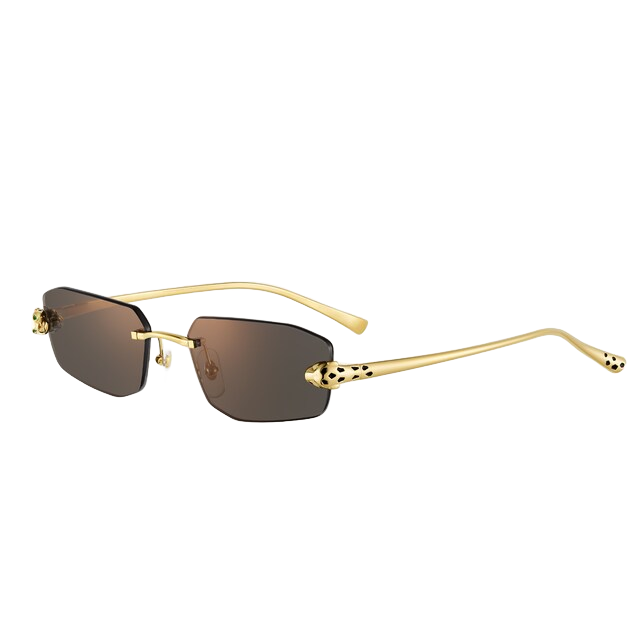
Panthère de Cartier
Panther-inspired details give these sunglasses a feline character, bringing one of Cartier’s familiar jewelry motifs into the design of the frames.
Cartier
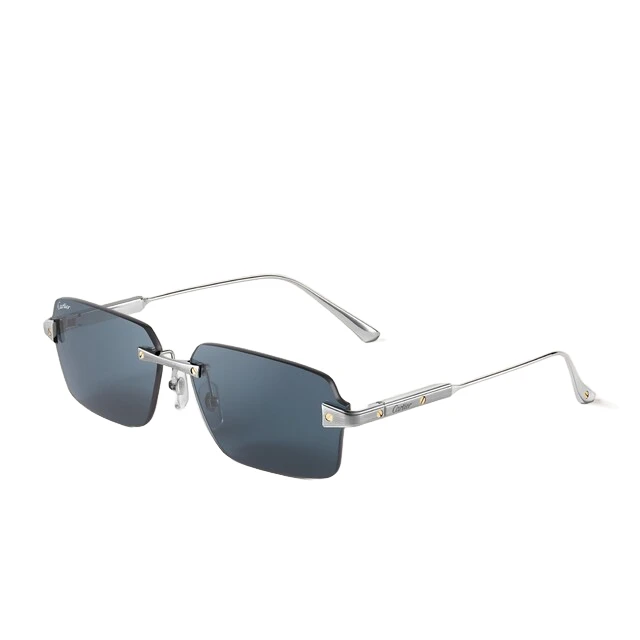
Santos de Cartier
Visible screw details connect Santos de Cartier sunglasses to the watch family, giving the frames a clear, structured design language.
Cartier
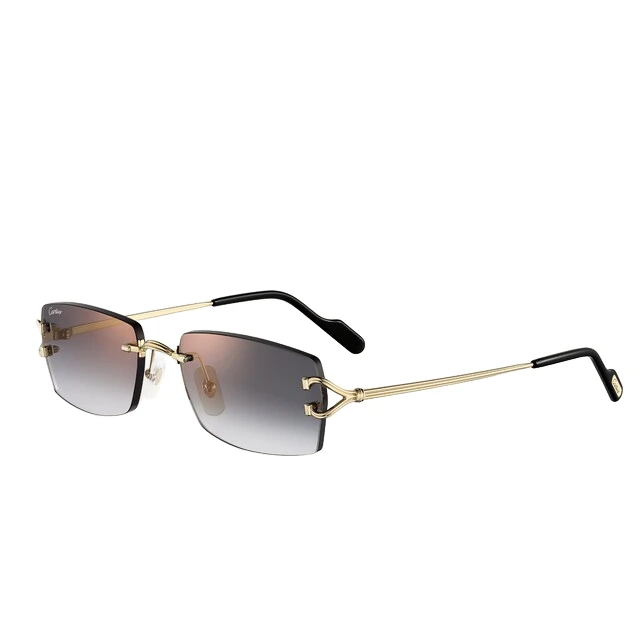
Décor C de Cartier
The Cartier initial becomes a prominent decorative element in Décor C frames, adding a recognizable graphic signature to the eyewear.
Cartier
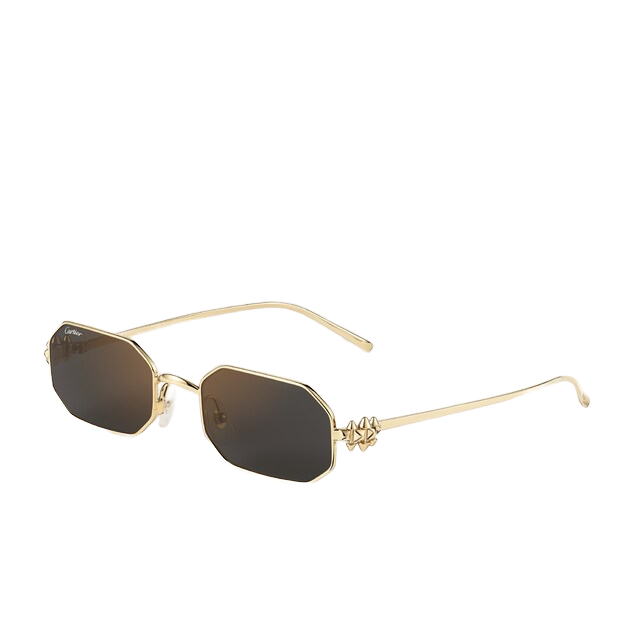
Clash de Cartier
Studs and Clous de Paris details carry the character of Clash jewelry into sunglasses, combining distinct surface textures with expressive frames.
Cartier
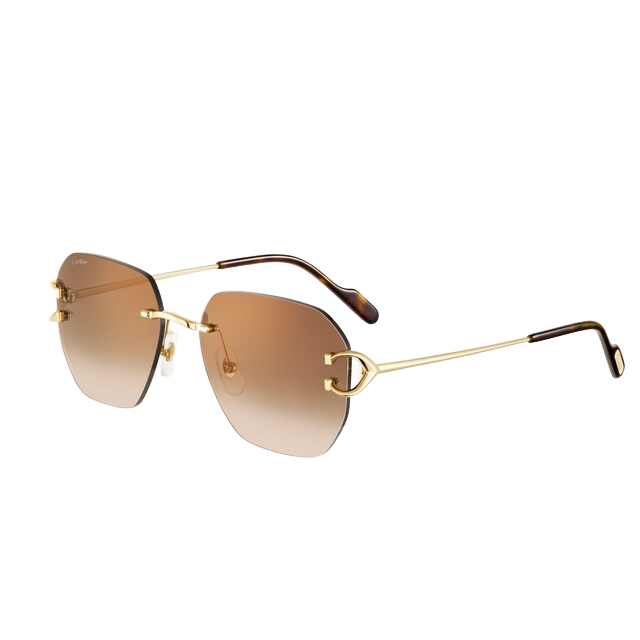
Signature C de Cartier
A C-shaped bridge gives Signature C frames their defining detail, with a restrained overall shape built around the Cartier initial.
Cartier
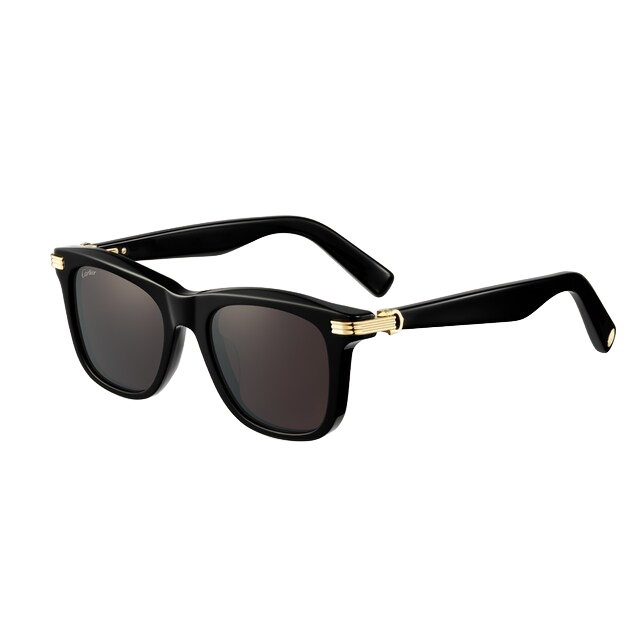
Première de Cartier
Première de Cartier draws on the house’s 1980s eyewear, with gadroon details connecting the frames to a familiar Cartier design motif.
No Matching Collections
Try another search or explore all collections.
Finding Your Cartier Sunglasses Style
Design Details and Fit
Cartier sunglasses draw on several of the house's familiar design families. Santos de Cartier, Panthère de Cartier, Première de Cartier, Signature C de Cartier, Décor C de Cartier and Clash de Cartier offer different expressions of that identity. Start with the overall frame shape, then look at the bridge, temples and decorative details. A small change in proportion or color can give a frame a very different character.
Fit should guide the comparison alongside appearance. Frame size, bridge width and temple length help describe the proportions you need. Consider the coverage you prefer and whether you want a more subtle or more noticeable frame. Color and material can then narrow the choice, especially if you want the sunglasses to work with the jewelry and accessories you wear most often.
A Simple, Specific Request
For a Cartier sunglasses inquiry in Hialeah, Florida, choose the design that interests you and select Buy or Sell. Indicate your condition and box or papers preferences, and use the optional message for any questions. If you are selling, you can describe the pair's condition and any relevant details about the lenses or fit.
Cartier History and Design
A Paris Beginning
Cartier's history begins in Paris in 1847. Its place in jewelry and watchmaking grew through designs that people could recognize by shape, proportion and detail. A curved band, a rectangular case or a carefully drawn animal could carry the identity of an entire collection. That approach helps explain why Cartier can feel familiar across such different objects as a ring, a wristwatch, a small personal accessory and a pair of sunglasses.
The most useful way to explore that history is through the objects themselves. Start with the outline, then look at how the parts meet: a bezel around a dial, one gold band passing through another, or a clasp becoming the focus of a bracelet. Those small decisions often distinguish one family from another.
Santos and Tank
In 1904, Louis Cartier created a wristwatch for the Brazilian aviator Alberto Santos-Dumont, who wanted to read the time while flying. The Santos story connects a practical request with a strong visual idea: a square face with softened corners and visible screws. Later interpretations changed its scale and details while keeping that recognizable structure.
The Tank followed in 1917. Its two parallel side bars frame a rectangular dial and form an essential part of the case. The family has developed into different proportions and bracelet styles, so a Tank name alone does not describe every watch. Case dimensions, movement and the particular version remain important when comparing individual pieces.
Trinity and the Language of Gold
Louis Cartier designed Trinity in 1924. Its interlocking bands combine white, yellow and rose gold, bringing movement into a simple ring. The visual idea depends on the relationship between the bands as much as the metal itself. Trinity later extended into other forms of jewelry, carrying that interplay of color and connected shapes with it.
This is one reason collection names are helpful starting points rather than complete descriptions. Two pieces may share the same inspiration while differing in width, scale, setting or how they sit on the body. Comparing those details makes the choice more personal and more precise.
LOVE and Juste un Clou
Aldo Cipullo created the LOVE bracelet in New York in 1969. Visible screws became part of its appearance, giving a familiar fastening detail a central role in the design. The collection now includes several jewelry forms, but its screw motif remains an immediate point of recognition.
The nail bracelet created at Cartier New York in 1971 became the design behind Juste un Clou. A nail head, a curved length of metal and a pointed end create a different balance of structure and simplicity. Seen together, LOVE and Juste un Clou show how an everyday object can inspire jewelry without losing the clarity of the original idea.
One Identity, Many Expressions
Cartier's broader design vocabulary includes animal forms, linked gold, contrasting surfaces and sculptural watch cases. Panthère appears across several departments, while Santos connects watchmaking, jewelry and eyewear. The shared name can reveal a visual relationship, but the department and item type explain what the object actually is.
When choosing a piece, begin with what you want to wear and how it should fit. Then narrow the collection, material, dimensions and condition. For a buying or selling inquiry, a clear collection name and a few practical details are more useful than a long list of general preferences. The history supplies context; the individual object's design and specifications guide the decision.
Cartier Questions
How Does Buying Work?
Choose Buy on a collection to check current listings. You can send an inquiry with your preferences when a matching piece is unavailable.
Can I Ask About Selling a Cartier Piece?
Choose Sell and share the collection, condition and any details you know. You can include your desired price and a question in the same form.
Which Details Should I Share?
Choose the collection or piece that interests you. Add a ring size, bracelet size or necklace length if applicable and known. Watch inquiries can include an optional reference.
Find the Cartier Piece You Have in Mind
Tell us which collection interests you, or share the details of a piece you would like to sell. Start with what you know; the inquiry can include your preferences and questions.
Gregorio Diamonds · Cartier
Cartier High Jewelry
Explore Cartier high jewelry at Gregorio Diamonds in Hialeah, Florida. Choose a collection and tell us what you have in mind for a buying or selling inquiry.
Explore Cartier
Collections
Cartier
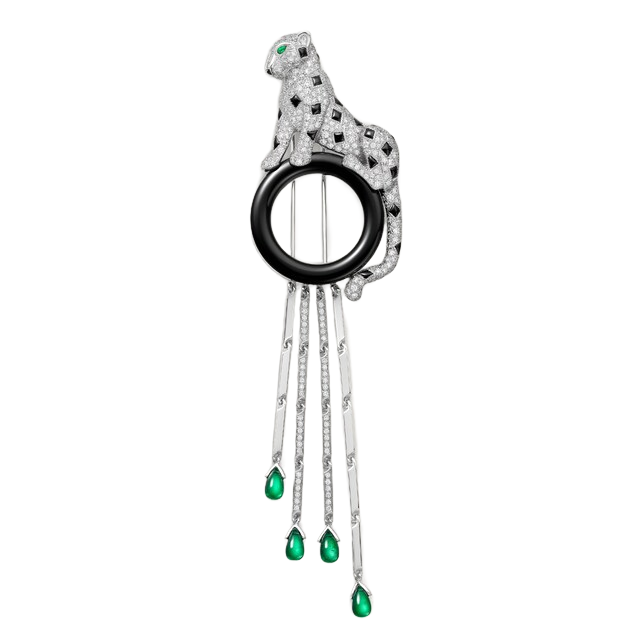
Panther
The panther inspires sculptural and graphic jewelry, with expressive animal forms and spotted patterns offering different interpretations of Cartier’s signature feline.
Cartier
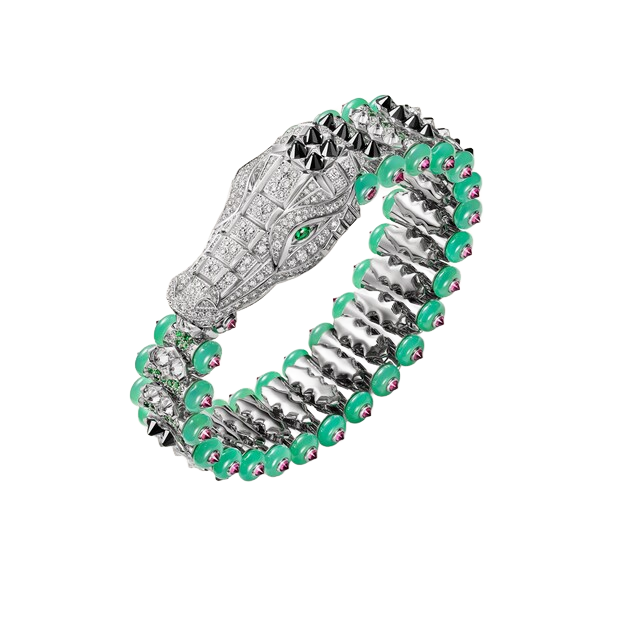
Faune et Flore de Cartier
Animals and plants provide the starting point for jewelry that explores natural shapes, movement and the character of living forms.
Cartier
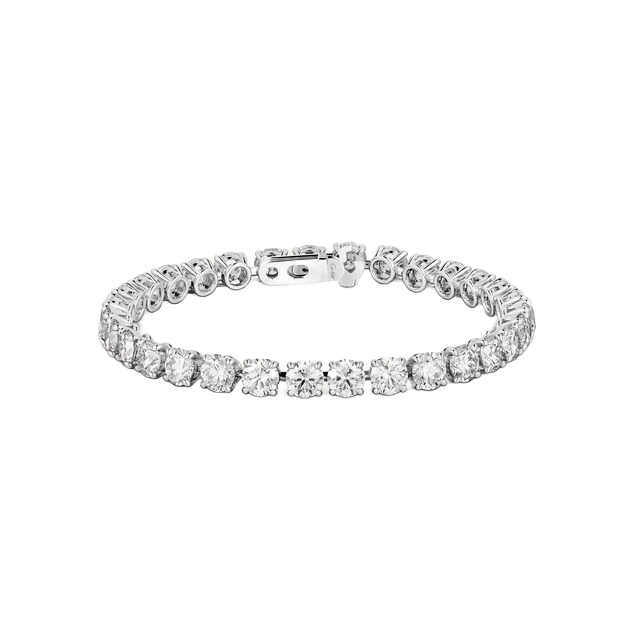
Architecture and Purity
Balanced lines and carefully arranged gemstones shape this theme, where open space and structure help define the design.
Cartier
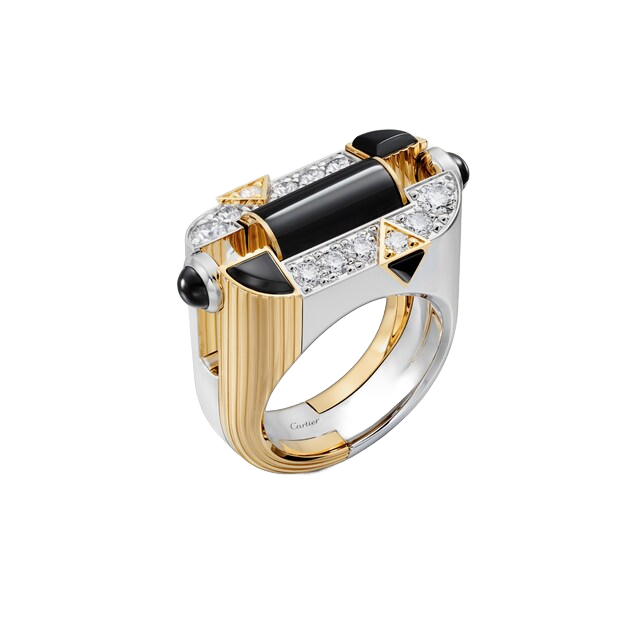
Geometry and Contrasts
Symmetry, angular forms and strong color contrasts guide these designs, bringing a graphic approach to the composition of high jewelry.
No Matching Collections
Try another search or explore all collections.
Cartier High Jewelry: Form, Color and Craft
Nature and Architecture
Cartier High Jewelry brings together animal imagery, strong geometry and the character of individual gemstones. The panther is one familiar direction; Faune et Flore de Cartier explores the broader natural world. Architecture and Purity focuses attention on structure, while Geometry and Contrasts offers another way to consider line, color and opposing forms. These themes help you describe the kind of piece that interests you before narrowing the details.
Look closely at the balance between the stones and the setting. A piece can feel delicate or substantial because of its outline, spacing and proportions, as well as its size. For a necklace, consider where it should rest. For a ring or bracelet, note the dimensions and fit you prefer. Earrings call for attention to length, fastening and how much presence you want.
A More Specific Inquiry
For a Cartier High Jewelry inquiry in Hialeah, Florida, choose the theme or collection that interests you. Include a ring size, bracelet or bangle size, or necklace or chain length when it applies. You can leave size blank if you are unsure. If you are selling, include the piece's condition and whether its original box and papers are included. Any additional details or questions can go in the optional message.
Cartier History and Design
A Paris Beginning
Cartier's history begins in Paris in 1847. Its place in jewelry and watchmaking grew through designs that people could recognize by shape, proportion and detail. A curved band, a rectangular case or a carefully drawn animal could carry the identity of an entire collection. That approach helps explain why Cartier can feel familiar across such different objects as a ring, a wristwatch, a small personal accessory and a pair of sunglasses.
The most useful way to explore that history is through the objects themselves. Start with the outline, then look at how the parts meet: a bezel around a dial, one gold band passing through another, or a clasp becoming the focus of a bracelet. Those small decisions often distinguish one family from another.
Santos and Tank
In 1904, Louis Cartier created a wristwatch for the Brazilian aviator Alberto Santos-Dumont, who wanted to read the time while flying. The Santos story connects a practical request with a strong visual idea: a square face with softened corners and visible screws. Later interpretations changed its scale and details while keeping that recognizable structure.
The Tank followed in 1917. Its two parallel side bars frame a rectangular dial and form an essential part of the case. The family has developed into different proportions and bracelet styles, so a Tank name alone does not describe every watch. Case dimensions, movement and the particular version remain important when comparing individual pieces.
Trinity and the Language of Gold
Louis Cartier designed Trinity in 1924. Its interlocking bands combine white, yellow and rose gold, bringing movement into a simple ring. The visual idea depends on the relationship between the bands as much as the metal itself. Trinity later extended into other forms of jewelry, carrying that interplay of color and connected shapes with it.
This is one reason collection names are helpful starting points rather than complete descriptions. Two pieces may share the same inspiration while differing in width, scale, setting or how they sit on the body. Comparing those details makes the choice more personal and more precise.
LOVE and Juste un Clou
Aldo Cipullo created the LOVE bracelet in New York in 1969. Visible screws became part of its appearance, giving a familiar fastening detail a central role in the design. The collection now includes several jewelry forms, but its screw motif remains an immediate point of recognition.
The nail bracelet created at Cartier New York in 1971 became the design behind Juste un Clou. A nail head, a curved length of metal and a pointed end create a different balance of structure and simplicity. Seen together, LOVE and Juste un Clou show how an everyday object can inspire jewelry without losing the clarity of the original idea.
One Identity, Many Expressions
Cartier's broader design vocabulary includes animal forms, linked gold, contrasting surfaces and sculptural watch cases. Panthère appears across several departments, while Santos connects watchmaking, jewelry and eyewear. The shared name can reveal a visual relationship, but the department and item type explain what the object actually is.
When choosing a piece, begin with what you want to wear and how it should fit. Then narrow the collection, material, dimensions and condition. For a buying or selling inquiry, a clear collection name and a few practical details are more useful than a long list of general preferences. The history supplies context; the individual object's design and specifications guide the decision.
Cartier Questions
How Does Buying Work?
Choose Buy on a collection to check current listings. You can send an inquiry with your preferences when a matching piece is unavailable.
Can I Ask About Selling a Cartier Piece?
Choose Sell and share the collection, condition and any details you know. You can include your desired price and a question in the same form.
Which Details Should I Share?
Choose the collection or piece that interests you. Add a ring size, bracelet size or necklace length if applicable and known. Watch inquiries can include an optional reference.
Find the Cartier Piece You Have in Mind
Tell us which collection interests you, or share the details of a piece you would like to sell. Start with what you know; the inquiry can include your preferences and questions.
Gregorio Diamonds · Cartier
Cartier Jewelry
Explore Cartier jewelry at Gregorio Diamonds in Hialeah, Florida. Choose a collection and tell us what you have in mind for a buying or selling inquiry.
Explore Cartier
Collections
Cartier
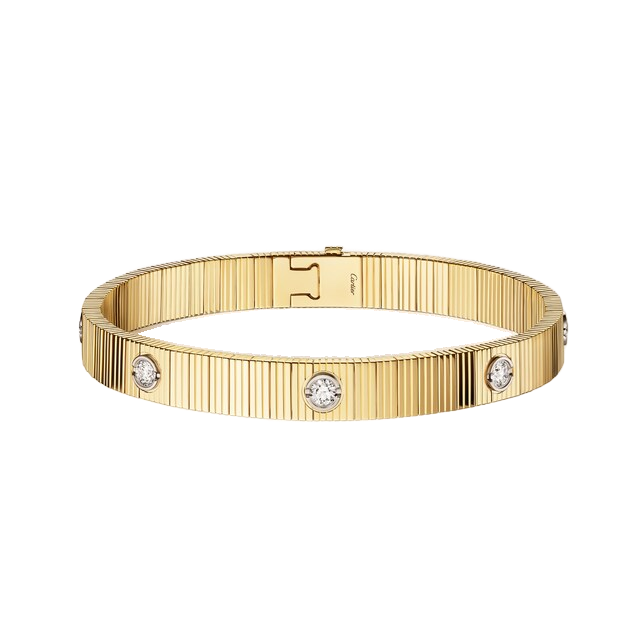
LOVE
Visible screw motifs and clean proportions give LOVE its recognizable character, with different jewelry forms offering a range of scales and finishes.
Cartier
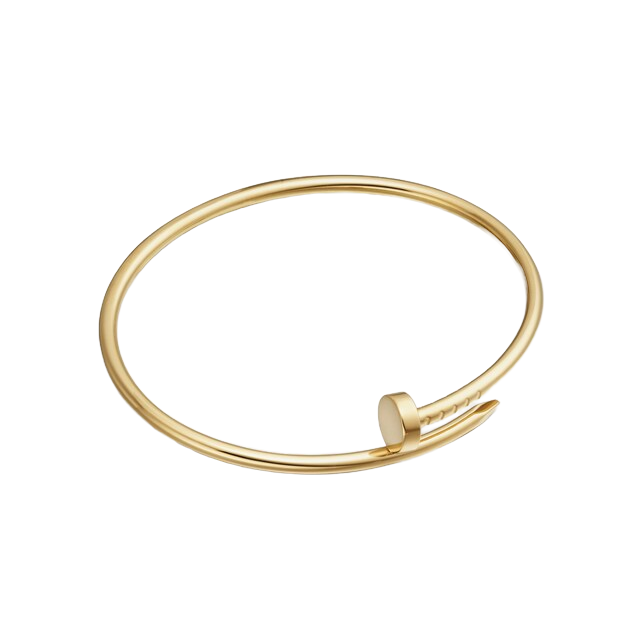
Juste un Clou
A curved nail becomes jewelry in Juste un Clou, where the head and pointed end define a distinctive, sculptural outline.
Cartier
Clash de Cartier
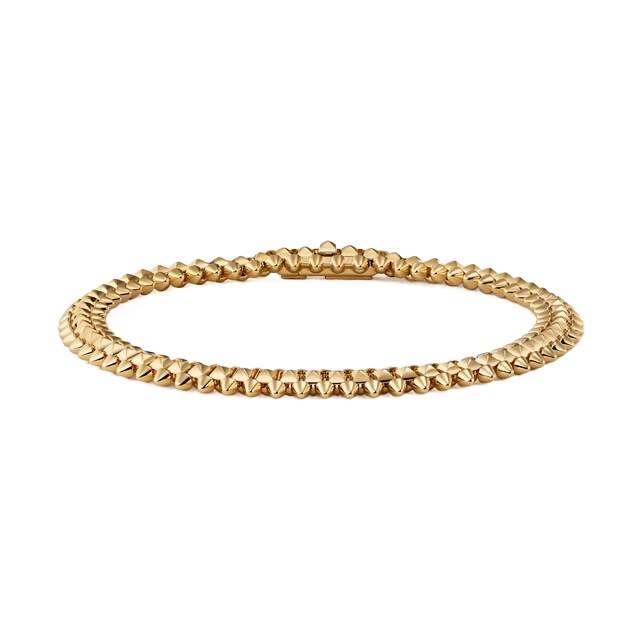
Rounded beads meet pointed studs and geometric details in Clash de Cartier, creating jewelry with a lively contrast of surfaces and shapes.
Cartier
Trinity
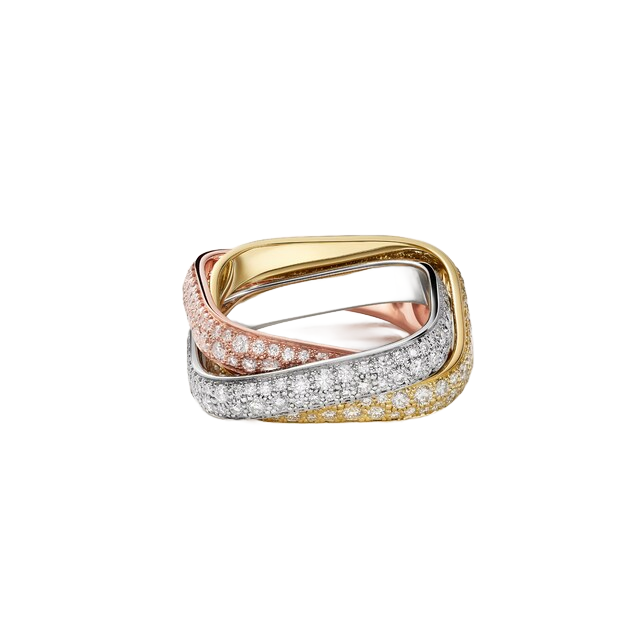
Interlocking bands and a combination of gold colors define Trinity, bringing movement and connected forms to rings and other jewelry designs.
Cartier
Panthère de Cartier
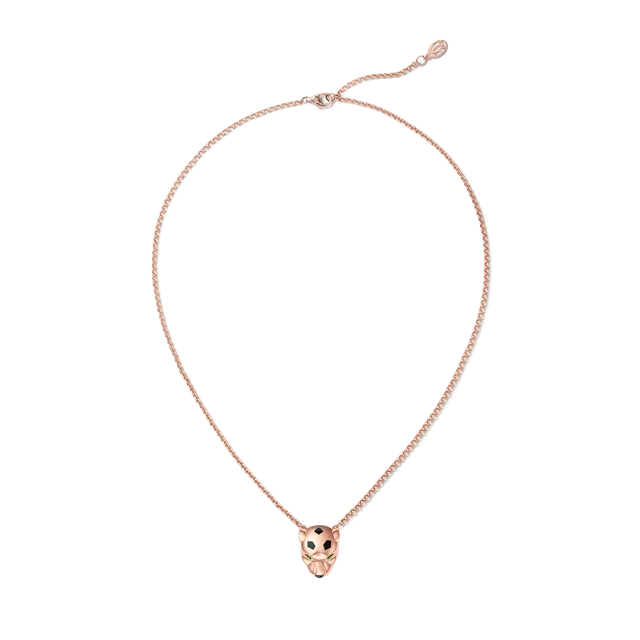
The panther inspires sculptural jewelry with expressive curves and striking proportions, interpreted through gold, gemstones and a range of distinctive forms.
Cartier
Grain de Café
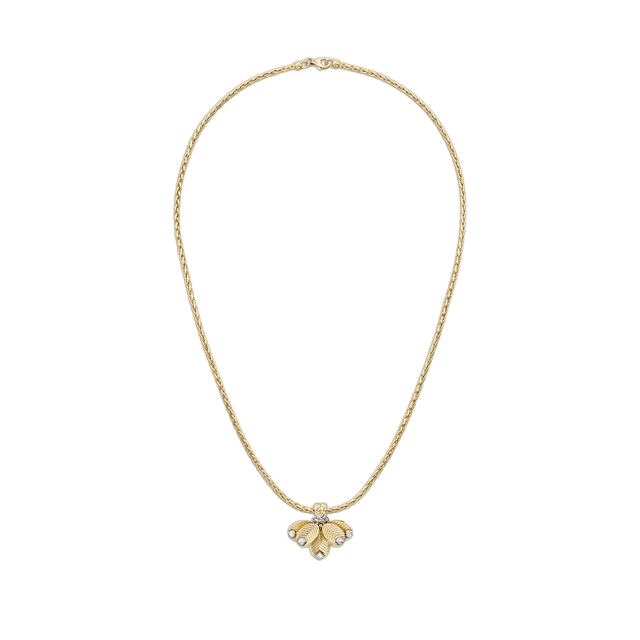
Coffee-bean shapes inspire Grain de Café, creating rounded gold forms with a natural rhythm across rings, necklaces, bracelets and earrings in the collection.
Cartier
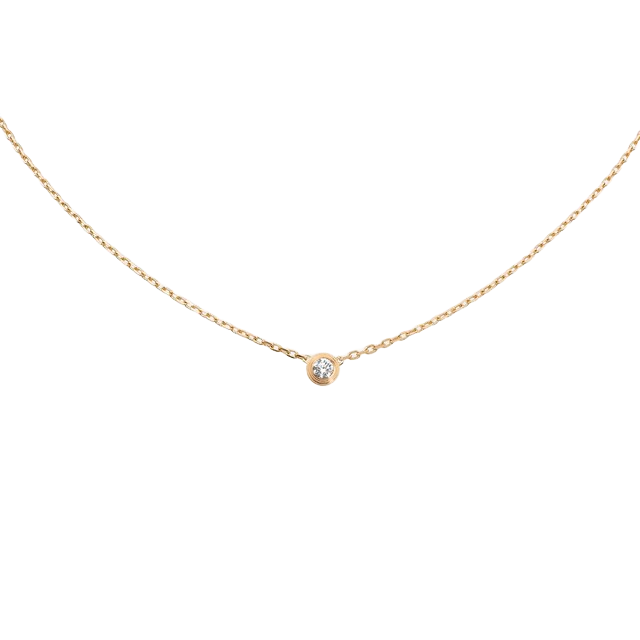
Cartier d'Amour
Cartier d'Amour places diamonds at the center of delicate designs, using closed settings and considered proportions across necklaces, bracelets and earrings in the collection.
Cartier
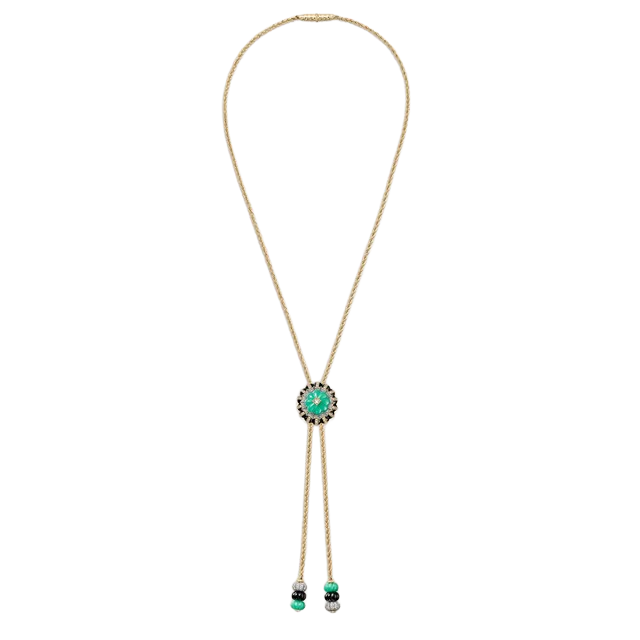
Cartier Libre
Cartier Libre explores unexpected shapes, colors and materials, bringing an experimental approach to jewelry through distinctive proportions and expressive combinations of details.
Cartier
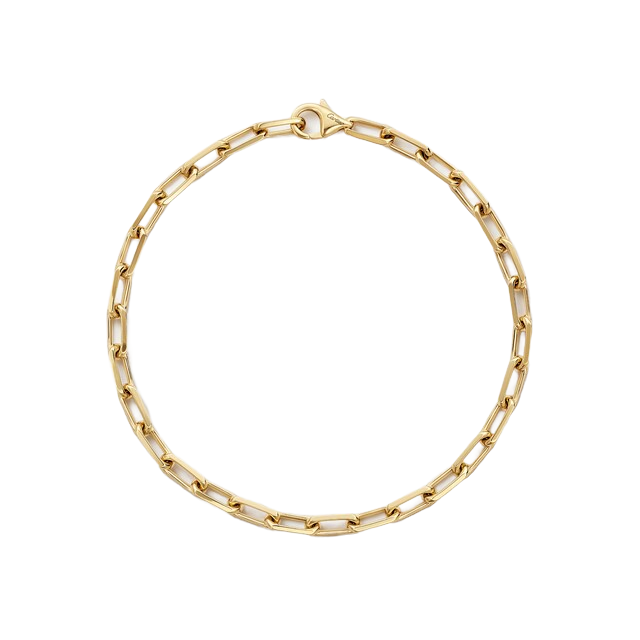
Santos de Cartier
Santos de Cartier jewelry uses clearly defined links and geometric proportions, giving gold necklaces and bracelets a strong, connected visual rhythm in different scales.
Cartier
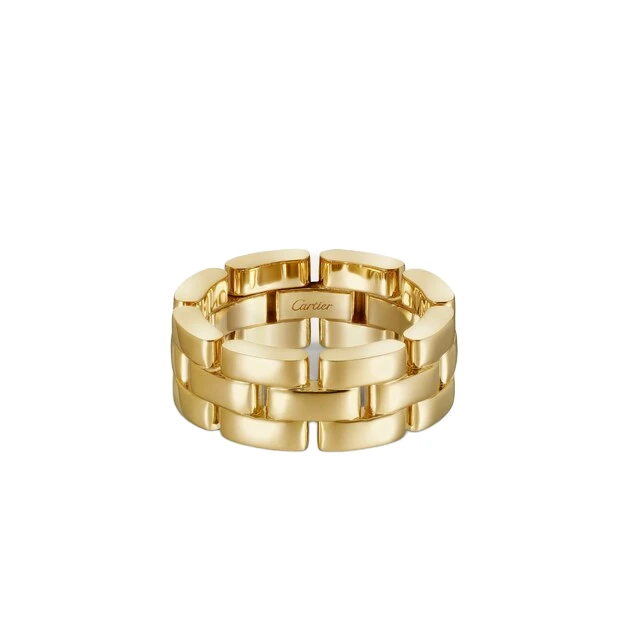
Maillon Panthère
Curved, polished links give Maillon Panthère a smooth, flowing appearance, with linked gold forms interpreted across rings, bracelets and earrings in the collection.
Cartier
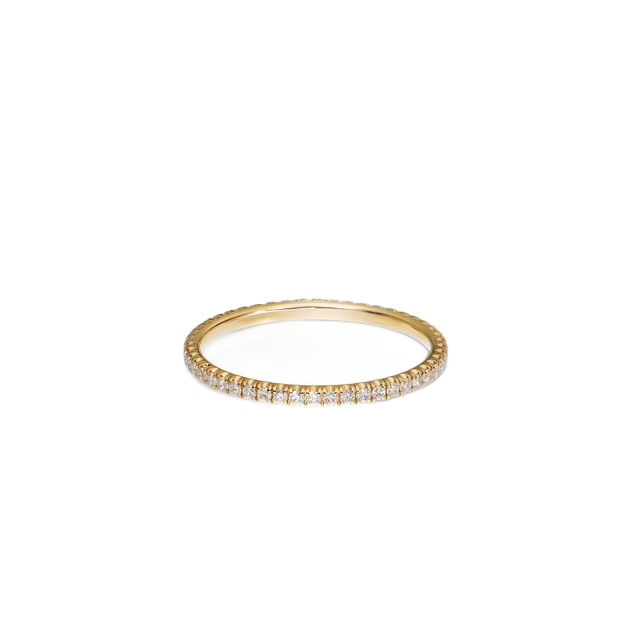
Diamond Collection
Diamond-focused designs span several Cartier collections, bringing different settings, silhouettes and proportions to rings, necklaces, bracelets and earrings with their own distinct character.
Cartier
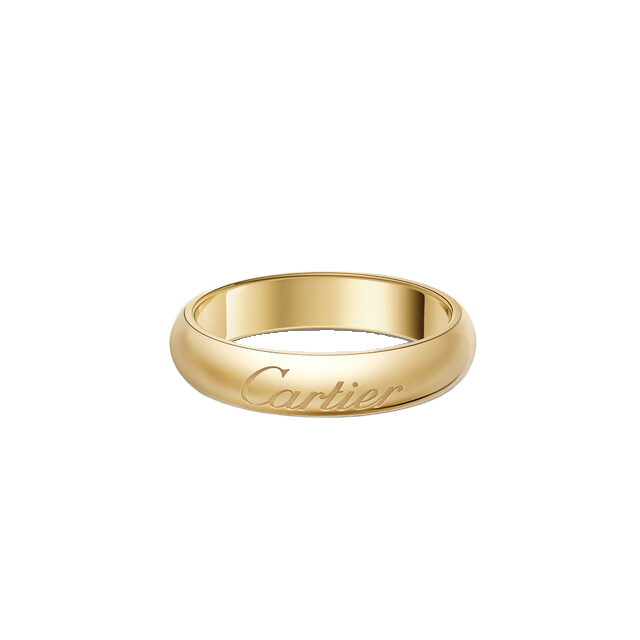
C de Cartier
Cartier's initial becomes a graphic design element in C de Cartier, with considered curves and diamond details across several jewelry forms and proportions.
Cartier
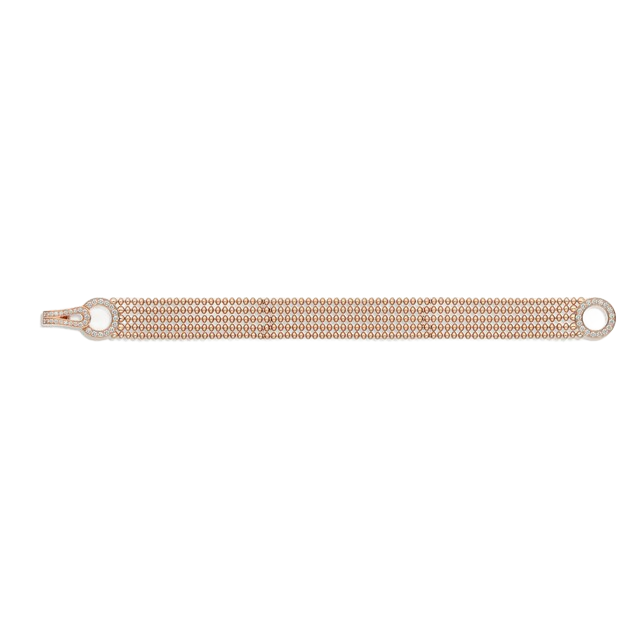
Agrafe
Inspired by the language of garment fastenings, Agrafe turns clasp-like forms into jewelry with defined curves, structured lines and diamond-set details in different proportions.
Cartier
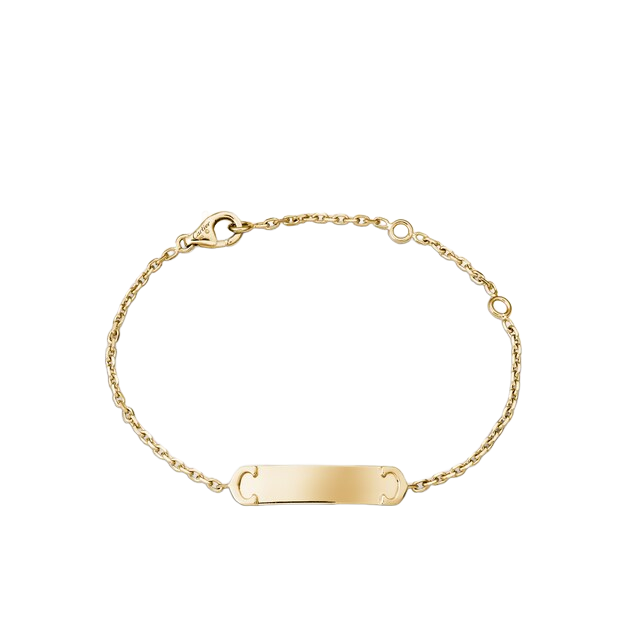
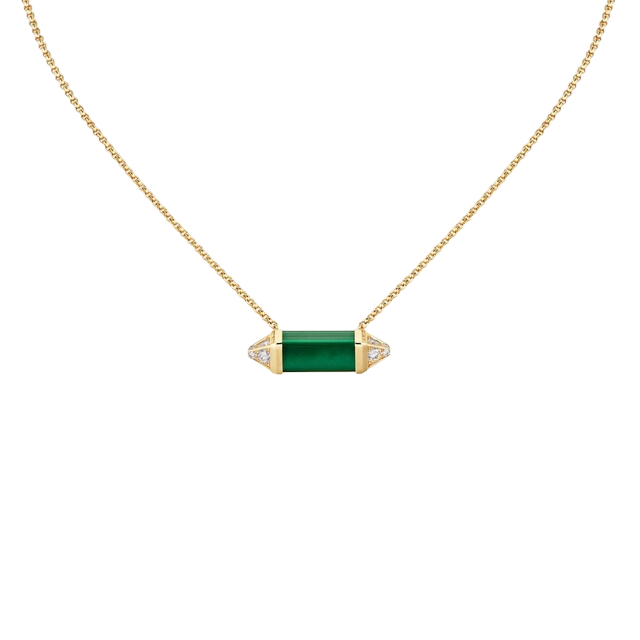
Symbols and Logos
Familiar symbols and Cartier signatures become personal jewelry designs, with pendants and bracelets offering different ways to wear a meaningful shape or recognizable detail.
Cartier
Les Berlingots de Cartier
Les Berlingots de Cartier combines bold shapes with contrasting colors and materials, bringing a playful balance to rings, pendants and earrings in the collection.
Cartier
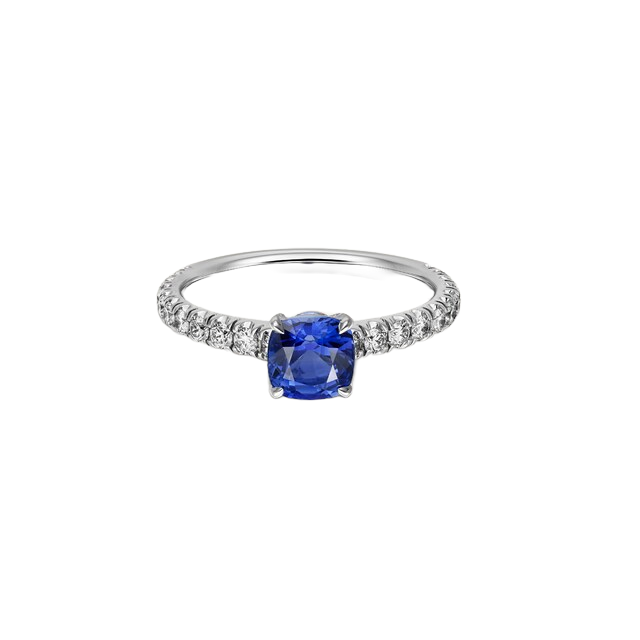
Precious Colored Stones
Sapphires, emeralds and rubies bring color to Cartier designs, with settings and proportions chosen to frame the character of each center stone within the piece.
Cartier
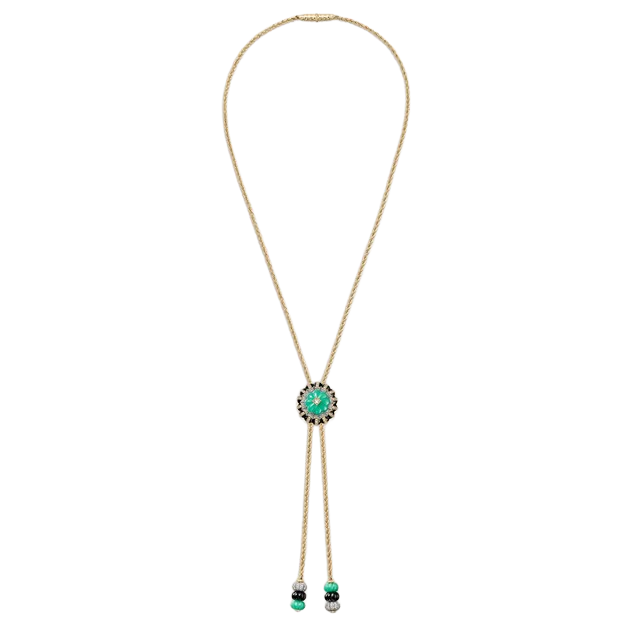
Tuttitutti
Part of Cartier Libre, Tuttitutti explores unexpected volumes, vibrant stones and contrasting materials, creating jewelry with an expressive sense of color and shape.
Cartier
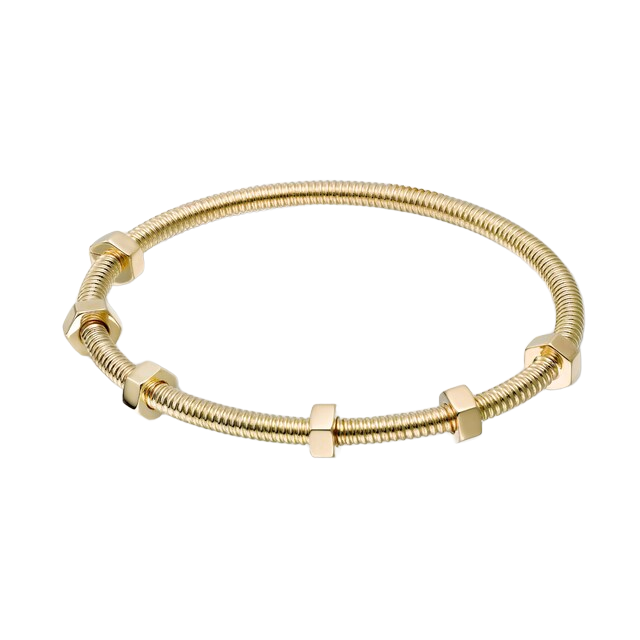
Écrou de Cartier
Industrial details inspire Écrou de Cartier, where ridged bands and movable nut-like elements turn a familiar mechanical form into a distinctive jewelry design.
Cartier
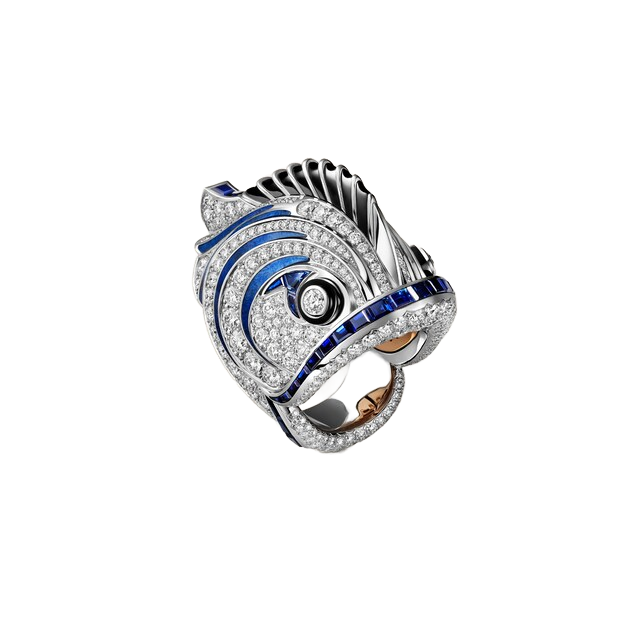
Cartier Fauna & Flora
Plants and animals inspire Cartier Fauna & Flora, with sculptural forms and gemstone combinations suggesting the movement, texture and variety of the natural world.
No Matching Collections
Try another search or explore all collections.
Choosing Cartier Jewelry
Find the Collection That Fits Your Style
Cartier jewelry ranges from the screw motifs of LOVE and the curved nail of Juste un Clou to Trinity's interlocking bands. Clash de Cartier brings together pointed and rounded details, while Panthère de Cartier gives animal forms a sculptural presence. For a different emphasis, explore the linked shapes of Santos de Cartier and Maillon Panthère, the coffee-bean inspiration of Grain de Café, or the color combinations of Les Berlingots de Cartier.
Start with the item you want to wear: a ring, bracelet, necklace or earrings. Then compare scale, metal and the balance between polished surfaces and gemstones. Similar collection names can cover noticeably different proportions. Ring size, bracelet fit and necklace length deserve as much attention as the look of the design. Consider how the piece will sit beside the jewelry you already wear.
Make Your Inquiry Clear
At Gregorio Diamonds in Hialeah, Florida, you can begin a Cartier jewelry inquiry by choosing a collection. Add your ring size, bracelet or bangle size, or necklace or chain length when it applies. You can leave size blank if you are unsure. For a selling inquiry, share the condition and indicate whether the original box and papers are included. Add any other details or questions in the optional message.
Cartier History and Design
A Paris Beginning
Cartier's history begins in Paris in 1847. Its place in jewelry and watchmaking grew through designs that people could recognize by shape, proportion and detail. A curved band, a rectangular case or a carefully drawn animal could carry the identity of an entire collection. That approach helps explain why Cartier can feel familiar across such different objects as a ring, a wristwatch, a small personal accessory and a pair of sunglasses.
The most useful way to explore that history is through the objects themselves. Start with the outline, then look at how the parts meet: a bezel around a dial, one gold band passing through another, or a clasp becoming the focus of a bracelet. Those small decisions often distinguish one family from another.
Santos and Tank
In 1904, Louis Cartier created a wristwatch for the Brazilian aviator Alberto Santos-Dumont, who wanted to read the time while flying. The Santos story connects a practical request with a strong visual idea: a square face with softened corners and visible screws. Later interpretations changed its scale and details while keeping that recognizable structure.
The Tank followed in 1917. Its two parallel side bars frame a rectangular dial and form an essential part of the case. The family has developed into different proportions and bracelet styles, so a Tank name alone does not describe every watch. Case dimensions, movement and the particular version remain important when comparing individual pieces.
Trinity and the Language of Gold
Louis Cartier designed Trinity in 1924. Its interlocking bands combine white, yellow and rose gold, bringing movement into a simple ring. The visual idea depends on the relationship between the bands as much as the metal itself. Trinity later extended into other forms of jewelry, carrying that interplay of color and connected shapes with it.
This is one reason collection names are helpful starting points rather than complete descriptions. Two pieces may share the same inspiration while differing in width, scale, setting or how they sit on the body. Comparing those details makes the choice more personal and more precise.
LOVE and Juste un Clou
Aldo Cipullo created the LOVE bracelet in New York in 1969. Visible screws became part of its appearance, giving a familiar fastening detail a central role in the design. The collection now includes several jewelry forms, but its screw motif remains an immediate point of recognition.
The nail bracelet created at Cartier New York in 1971 became the design behind Juste un Clou. A nail head, a curved length of metal and a pointed end create a different balance of structure and simplicity. Seen together, LOVE and Juste un Clou show how an everyday object can inspire jewelry without losing the clarity of the original idea.
One Identity, Many Expressions
Cartier's broader design vocabulary includes animal forms, linked gold, contrasting surfaces and sculptural watch cases. Panthère appears across several departments, while Santos connects watchmaking, jewelry and eyewear. The shared name can reveal a visual relationship, but the department and item type explain what the object actually is.
When choosing a piece, begin with what you want to wear and how it should fit. Then narrow the collection, material, dimensions and condition. For a buying or selling inquiry, a clear collection name and a few practical details are more useful than a long list of general preferences. The history supplies context; the individual object's design and specifications guide the decision.
Cartier Questions
How Does Buying Work?
Choose Buy on a collection to check current listings. You can send an inquiry with your preferences when a matching piece is unavailable.
Can I Ask About Selling a Cartier Piece?
Choose Sell and share the collection, condition and any details you know. You can include your desired price and a question in the same form.
Which Details Should I Share?
Choose the collection or piece that interests you. Add a ring size, bracelet size or necklace length if applicable and known. Watch inquiries can include an optional reference.
Find the Cartier Piece You Have in Mind
Tell us which collection interests you, or share the details of a piece you would like to sell. Start with what you know; the inquiry can include your preferences and questions.
Gregorio Diamonds · Cartier
Cartier Watches
Explore Cartier watches at Gregorio Diamonds in Hialeah, Florida. Choose a collection and tell us what you have in mind for a buying or selling inquiry.
Gregorio Diamonds offers personal assistance with buying and selling Cartier watches in Hialeah, Florida.
Explore Cartier
Model Families
Cartier
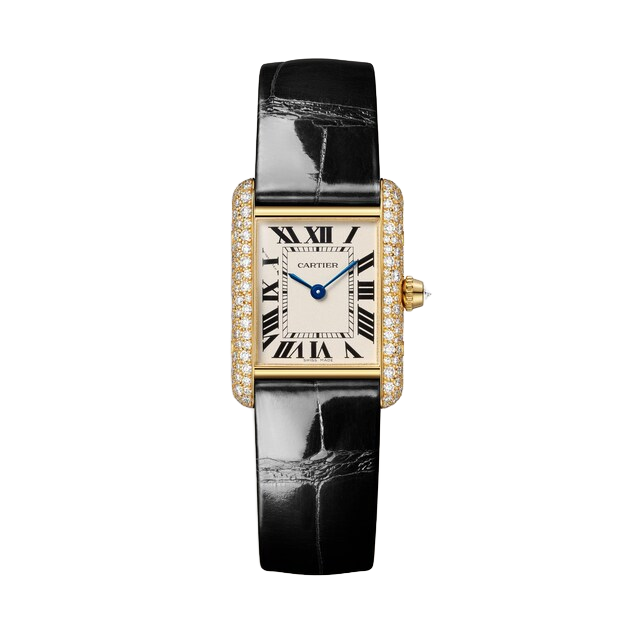
Tank
Parallel side bars frame the Tank's rectangular dial, with variations in proportions, bracelets and movements giving each version its own character on the wrist.
Cartier
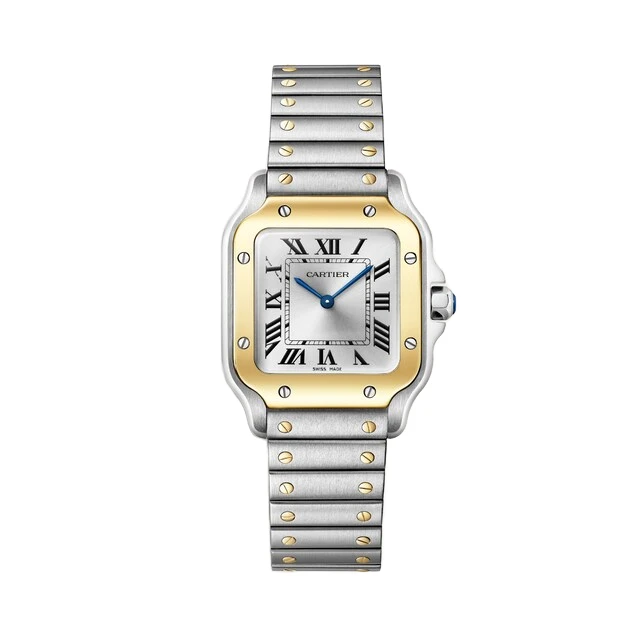
Santos de Cartier
A square face, softened corners and visible screws define Santos de Cartier, a watch family with roots in Louis Cartier's 1904 aviation-inspired design.
Cartier
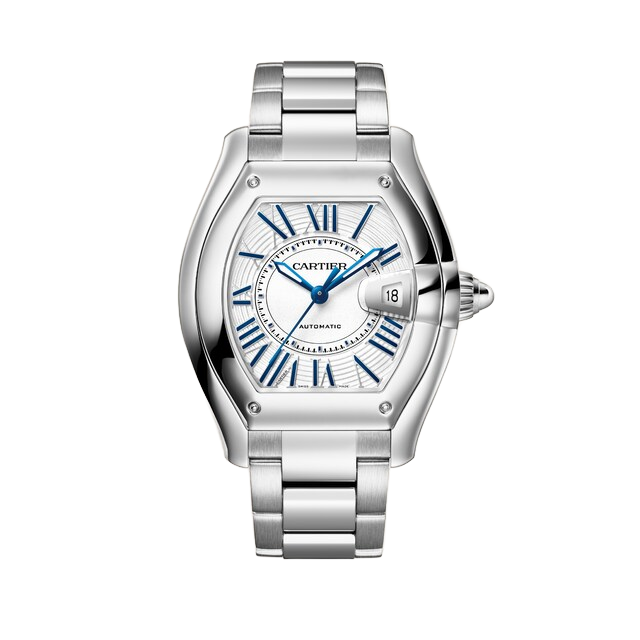
Roadster
Automotive-inspired details and a curved case give Roadster a distinctive presence, with its dial, crown and date magnifier contributing to the family's character.
Cartier
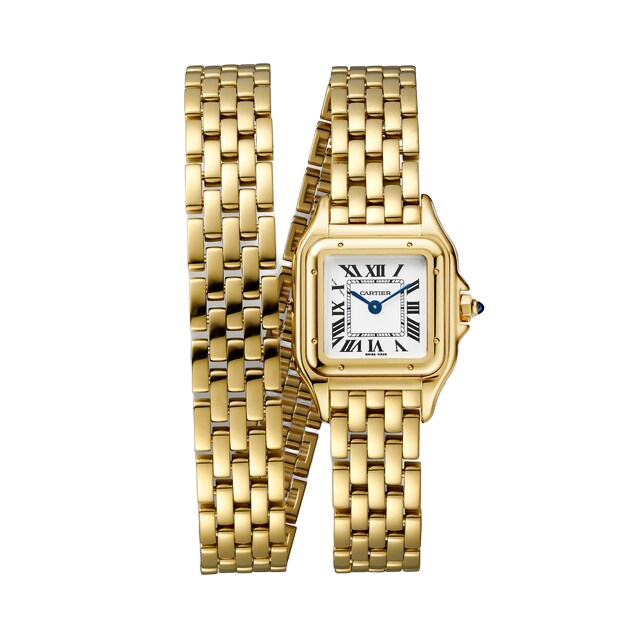
Panthère de Cartier
Panthère de Cartier combines a compact watch case with a flowing linked bracelet, bringing the feel of jewelry into a recognizable watch design.
Cartier
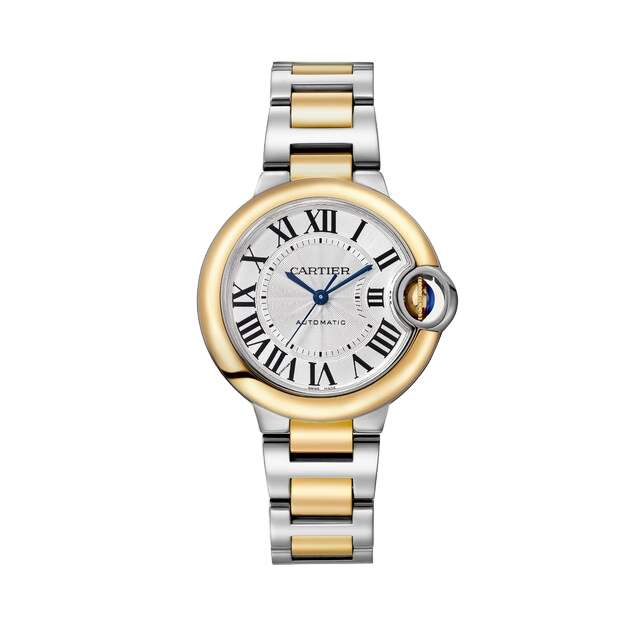
Ballon de Cartier
Ballon de Cartier offers a rounded approach to watch design, with the Ballon Bleu's curved case and protected blue crown creating a distinctive profile.
Cartier
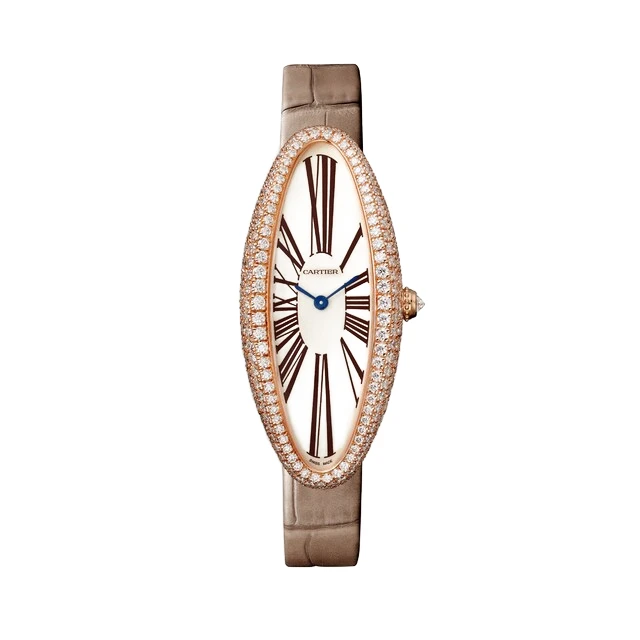
Baignoire
An oval case defines Baignoire, whose curved outline brings a sculptural quality to the wrist across different sizes, materials and bracelet or strap styles.
Cartier
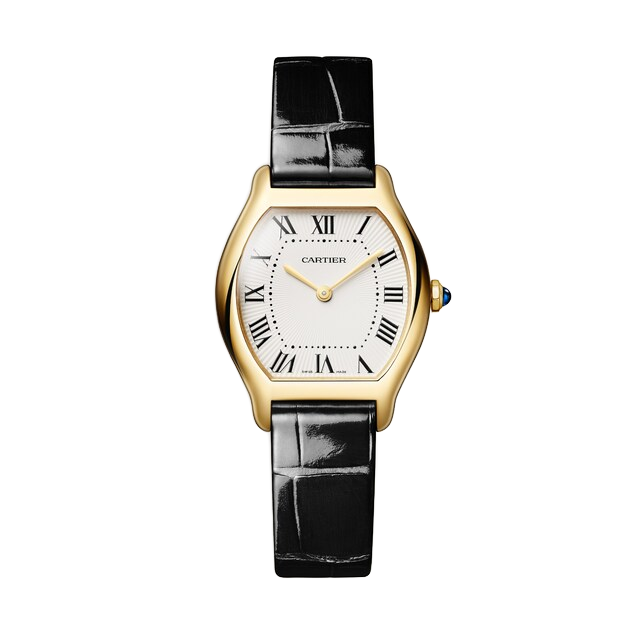
Tortue
Tortue pairs a gently curved case with a distinctive outline, offering another expression of Cartier's interest in shaped watches and carefully balanced proportions.
No Matching Collections
Try another search or explore all collections.
A Guide to Cartier Watch Families
Begin With the Shape
Shape is a useful starting point for Cartier watches. Tank uses a rectangular outline framed by parallel side bars. Santos de Cartier combines a square face, softened corners and visible screws. Panthère de Cartier places particular emphasis on the watch's linked bracelet, while Ballon de Cartier offers a rounded alternative. Baignoire's oval and Tortue's curved case bring different proportions to the wrist. Roadster adds a more pronounced automotive influence.
The family name narrows the search, but the individual watch supplies the important specifications. Compare case width and length, the way the bracelet or strap fits, the dial and the movement. A compact rectangle can wear differently from a round watch with a similar width. If you know a model or reference number, include it to identify the version more accurately.
Buying or Selling in Hialeah
For a Cartier watch inquiry in Hialeah, Florida, choose the design that interests you. Its model and reference stay with your inquiry. You can also specify New or Pre-Owned and whether original box and papers are important to you. If you are selling, note the watch's condition, included items and any relevant history. A few exact details make it easier to distinguish your watch from other versions in the same family.
Cartier History and Design
A Paris Beginning
Cartier's history begins in Paris in 1847. Its place in jewelry and watchmaking grew through designs that people could recognize by shape, proportion and detail. A curved band, a rectangular case or a carefully drawn animal could carry the identity of an entire collection. That approach helps explain why Cartier can feel familiar across such different objects as a ring, a wristwatch, a small personal accessory and a pair of sunglasses.
The most useful way to explore that history is through the objects themselves. Start with the outline, then look at how the parts meet: a bezel around a dial, one gold band passing through another, or a clasp becoming the focus of a bracelet. Those small decisions often distinguish one family from another.
Santos and Tank
In 1904, Louis Cartier created a wristwatch for the Brazilian aviator Alberto Santos-Dumont, who wanted to read the time while flying. The Santos story connects a practical request with a strong visual idea: a square face with softened corners and visible screws. Later interpretations changed its scale and details while keeping that recognizable structure.
The Tank followed in 1917. Its two parallel side bars frame a rectangular dial and form an essential part of the case. The family has developed into different proportions and bracelet styles, so a Tank name alone does not describe every watch. Case dimensions, movement and the particular version remain important when comparing individual pieces.
Trinity and the Language of Gold
Louis Cartier designed Trinity in 1924. Its interlocking bands combine white, yellow and rose gold, bringing movement into a simple ring. The visual idea depends on the relationship between the bands as much as the metal itself. Trinity later extended into other forms of jewelry, carrying that interplay of color and connected shapes with it.
This is one reason collection names are helpful starting points rather than complete descriptions. Two pieces may share the same inspiration while differing in width, scale, setting or how they sit on the body. Comparing those details makes the choice more personal and more precise.
LOVE and Juste un Clou
Aldo Cipullo created the LOVE bracelet in New York in 1969. Visible screws became part of its appearance, giving a familiar fastening detail a central role in the design. The collection now includes several jewelry forms, but its screw motif remains an immediate point of recognition.
The nail bracelet created at Cartier New York in 1971 became the design behind Juste un Clou. A nail head, a curved length of metal and a pointed end create a different balance of structure and simplicity. Seen together, LOVE and Juste un Clou show how an everyday object can inspire jewelry without losing the clarity of the original idea.
One Identity, Many Expressions
Cartier's broader design vocabulary includes animal forms, linked gold, contrasting surfaces and sculptural watch cases. Panthère appears across several departments, while Santos connects watchmaking, jewelry and eyewear. The shared name can reveal a visual relationship, but the department and item type explain what the object actually is.
When choosing a piece, begin with what you want to wear and how it should fit. Then narrow the collection, material, dimensions and condition. For a buying or selling inquiry, a clear collection name and a few practical details are more useful than a long list of general preferences. The history supplies context; the individual object's design and specifications guide the decision.
Cartier Questions
How Does Buying Work?
Choose Buy on a collection to check current listings. You can send an inquiry with your preferences when a matching piece is unavailable.
Can I Ask About Selling a Cartier Piece?
Choose Sell and share the collection, condition and any details you know. You can include your desired price and a question in the same form.
Which Details Should I Share?
Choose the collection or piece that interests you. Add a ring size, bracelet size or necklace length if applicable and known. Watch inquiries can include an optional reference.
Find the Cartier Piece You Have in Mind
Tell us which collection interests you, or share the details of a piece you would like to sell. Start with what you know; the inquiry can include your preferences and questions.
Gregorio Diamonds · Cartier
Cartier Accessories
Explore Cartier accessories at Gregorio Diamonds in Hialeah, Florida. Choose a collection and tell us what you have in mind for a buying or selling inquiry.
Explore Cartier
Accessories by Category
Cartier
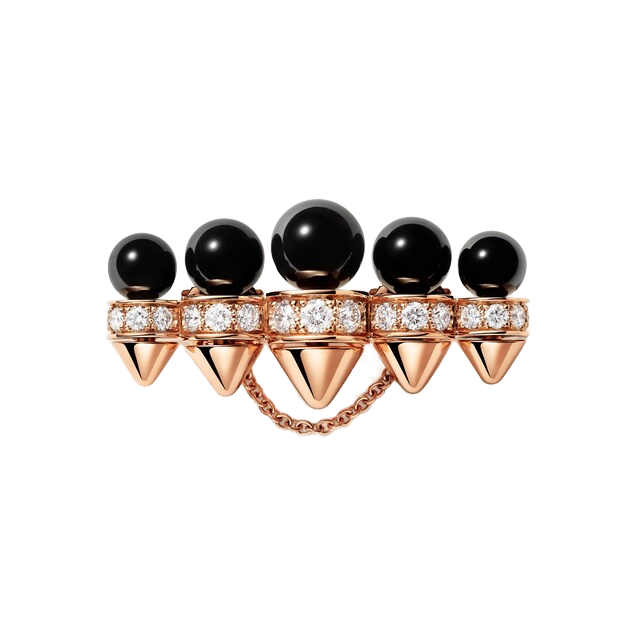
Cufflinks and Dress Accessories
Cufflinks and dress accessories bring Cartier motifs to formalwear, adding a considered detail at the cuff or jacket pocket.
Cartier
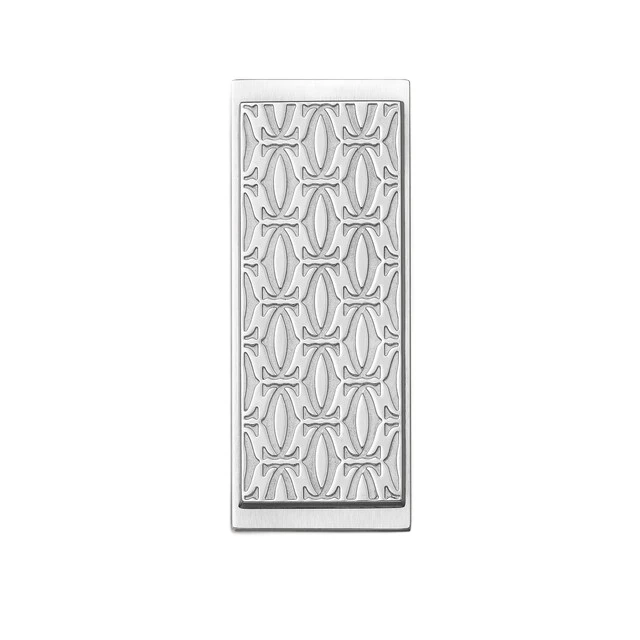
Pocket Accessories
Compact accessories such as money clips bring Cartier signatures to everyday details, with form and decoration guiding the choice.
Cartier
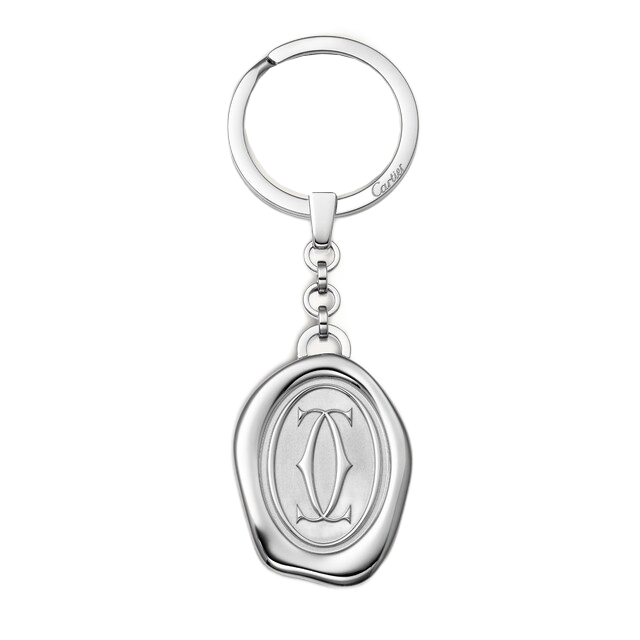
Key Rings
Cartier motifs appear in miniature on key rings, with distinctive shapes and decorative details adding character to a practical everyday accessory.
Cartier
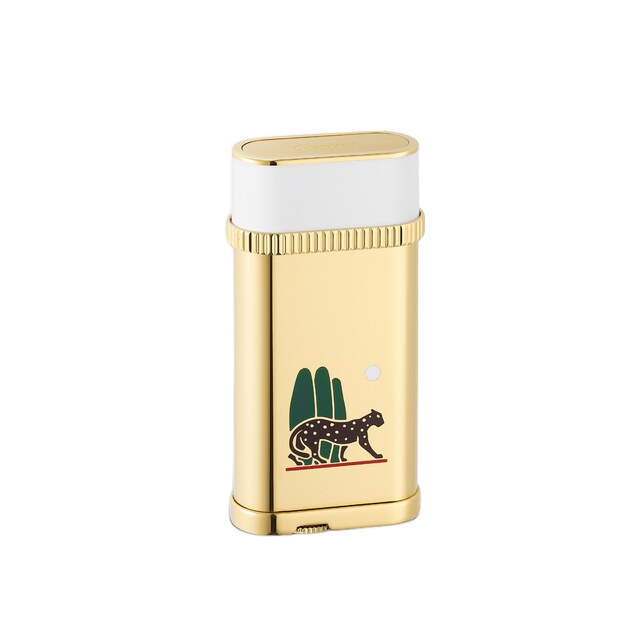
Lighters
Recognizable Cartier motifs decorate lighters, from the panther to geometric details, with different shapes and finishes defining each design.
No Matching Collections
Try another search or explore all collections.
Cartier Accessories in the Details
Four Ways to Explore Cartier Accessories
Cartier accessories bring the house's design language to smaller personal objects. Explore cufflinks and dress accessories, pocket accessories, key rings and lighters. Each category has a different purpose, so begin with how you want to use the piece. Then consider its shape, dimensions, finish and the details that give it character.
Cufflinks and dress accessories can complement the jewelry and watch you already wear. Look at the balance of color and scale, along with the fastening and the setting in which you plan to wear them. Pocket accessories offer another way to choose a useful object with a considered design. For a key ring or lighter, compare the proportions, decorative details and overall feel you prefer.
Share the Details That Matter
A Cartier accessory inquiry at Gregorio Diamonds in Hialeah, Florida, begins with the design that interests you. Choose Buy or Sell, indicate your condition and box or papers preferences, and add any questions in the optional message.
If you are selling, describe the item's condition and indicate whether its original box and papers are included. You can add any details you know about the piece and an optional desired price. Clear, practical information gives the inquiry a useful starting point.
Cartier History and Design
A Paris Beginning
Cartier's history begins in Paris in 1847. Its place in jewelry and watchmaking grew through designs that people could recognize by shape, proportion and detail. A curved band, a rectangular case or a carefully drawn animal could carry the identity of an entire collection. That approach helps explain why Cartier can feel familiar across such different objects as a ring, a wristwatch, a small personal accessory and a pair of sunglasses.
The most useful way to explore that history is through the objects themselves. Start with the outline, then look at how the parts meet: a bezel around a dial, one gold band passing through another, or a clasp becoming the focus of a bracelet. Those small decisions often distinguish one family from another.
Santos and Tank
In 1904, Louis Cartier created a wristwatch for the Brazilian aviator Alberto Santos-Dumont, who wanted to read the time while flying. The Santos story connects a practical request with a strong visual idea: a square face with softened corners and visible screws. Later interpretations changed its scale and details while keeping that recognizable structure.
The Tank followed in 1917. Its two parallel side bars frame a rectangular dial and form an essential part of the case. The family has developed into different proportions and bracelet styles, so a Tank name alone does not describe every watch. Case dimensions, movement and the particular version remain important when comparing individual pieces.
Trinity and the Language of Gold
Louis Cartier designed Trinity in 1924. Its interlocking bands combine white, yellow and rose gold, bringing movement into a simple ring. The visual idea depends on the relationship between the bands as much as the metal itself. Trinity later extended into other forms of jewelry, carrying that interplay of color and connected shapes with it.
This is one reason collection names are helpful starting points rather than complete descriptions. Two pieces may share the same inspiration while differing in width, scale, setting or how they sit on the body. Comparing those details makes the choice more personal and more precise.
LOVE and Juste un Clou
Aldo Cipullo created the LOVE bracelet in New York in 1969. Visible screws became part of its appearance, giving a familiar fastening detail a central role in the design. The collection now includes several jewelry forms, but its screw motif remains an immediate point of recognition.
The nail bracelet created at Cartier New York in 1971 became the design behind Juste un Clou. A nail head, a curved length of metal and a pointed end create a different balance of structure and simplicity. Seen together, LOVE and Juste un Clou show how an everyday object can inspire jewelry without losing the clarity of the original idea.
One Identity, Many Expressions
Cartier's broader design vocabulary includes animal forms, linked gold, contrasting surfaces and sculptural watch cases. Panthère appears across several departments, while Santos connects watchmaking, jewelry and eyewear. The shared name can reveal a visual relationship, but the department and item type explain what the object actually is.
When choosing a piece, begin with what you want to wear and how it should fit. Then narrow the collection, material, dimensions and condition. For a buying or selling inquiry, a clear collection name and a few practical details are more useful than a long list of general preferences. The history supplies context; the individual object's design and specifications guide the decision.
Cartier Questions
How Does Buying Work?
Choose Buy on a collection to check current listings. You can send an inquiry with your preferences when a matching piece is unavailable.
Can I Ask About Selling a Cartier Piece?
Choose Sell and share the collection, condition and any details you know. You can include your desired price and a question in the same form.
Which Details Should I Share?
Choose the collection or piece that interests you. Add a ring size, bracelet size or necklace length if applicable and known. Watch inquiries can include an optional reference.
Find the Cartier Piece You Have in Mind
Tell us which collection interests you, or share the details of a piece you would like to sell. Start with what you know; the inquiry can include your preferences and questions.
Gregorio Diamonds · Cartier
Cartier Sunglasses
Explore Cartier sunglasses at Gregorio Diamonds in Hialeah, Florida. Choose a collection and tell us what you have in mind for a buying or selling inquiry.
Explore Cartier
Collections
Cartier
Panthère de Cartier
Panther-inspired details give these sunglasses a feline character, bringing one of Cartier’s familiar jewelry motifs into the design of the frames.
Cartier
Santos de Cartier
Visible screw details connect Santos de Cartier sunglasses to the watch family, giving the frames a clear, structured design language.
Cartier
Décor C de Cartier
The Cartier initial becomes a prominent decorative element in Décor C frames, adding a recognizable graphic signature to the eyewear.
Cartier
Clash de Cartier
Studs and Clous de Paris details carry the character of Clash jewelry into sunglasses, combining distinct surface textures with expressive frames.
Cartier
Signature C de Cartier
A C-shaped bridge gives Signature C frames their defining detail, with a restrained overall shape built around the Cartier initial.
Cartier
Première de Cartier
Première de Cartier draws on the house’s 1980s eyewear, with gadroon details connecting the frames to a familiar Cartier design motif.
No Matching Collections
Try another search or explore all collections.
Finding Your Cartier Sunglasses Style
Design Details and Fit
Cartier sunglasses draw on several of the house's familiar design families. Santos de Cartier, Panthère de Cartier, Première de Cartier, Signature C de Cartier, Décor C de Cartier and Clash de Cartier offer different expressions of that identity. Start with the overall frame shape, then look at the bridge, temples and decorative details. A small change in proportion or color can give a frame a very different character.
Fit should guide the comparison alongside appearance. Frame size, bridge width and temple length help describe the proportions you need. Consider the coverage you prefer and whether you want a more subtle or more noticeable frame. Color and material can then narrow the choice, especially if you want the sunglasses to work with the jewelry and accessories you wear most often.
A Simple, Specific Request
For a Cartier sunglasses inquiry in Hialeah, Florida, choose the design that interests you and select Buy or Sell. Indicate your condition and box or papers preferences, and use the optional message for any questions. If you are selling, you can describe the pair's condition and any relevant details about the lenses or fit.
Cartier History and Design
A Paris Beginning
Cartier's history begins in Paris in 1847. Its place in jewelry and watchmaking grew through designs that people could recognize by shape, proportion and detail. A curved band, a rectangular case or a carefully drawn animal could carry the identity of an entire collection. That approach helps explain why Cartier can feel familiar across such different objects as a ring, a wristwatch, a small personal accessory and a pair of sunglasses.
The most useful way to explore that history is through the objects themselves. Start with the outline, then look at how the parts meet: a bezel around a dial, one gold band passing through another, or a clasp becoming the focus of a bracelet. Those small decisions often distinguish one family from another.
Santos and Tank
In 1904, Louis Cartier created a wristwatch for the Brazilian aviator Alberto Santos-Dumont, who wanted to read the time while flying. The Santos story connects a practical request with a strong visual idea: a square face with softened corners and visible screws. Later interpretations changed its scale and details while keeping that recognizable structure.
The Tank followed in 1917. Its two parallel side bars frame a rectangular dial and form an essential part of the case. The family has developed into different proportions and bracelet styles, so a Tank name alone does not describe every watch. Case dimensions, movement and the particular version remain important when comparing individual pieces.
Trinity and the Language of Gold
Louis Cartier designed Trinity in 1924. Its interlocking bands combine white, yellow and rose gold, bringing movement into a simple ring. The visual idea depends on the relationship between the bands as much as the metal itself. Trinity later extended into other forms of jewelry, carrying that interplay of color and connected shapes with it.
This is one reason collection names are helpful starting points rather than complete descriptions. Two pieces may share the same inspiration while differing in width, scale, setting or how they sit on the body. Comparing those details makes the choice more personal and more precise.
LOVE and Juste un Clou
Aldo Cipullo created the LOVE bracelet in New York in 1969. Visible screws became part of its appearance, giving a familiar fastening detail a central role in the design. The collection now includes several jewelry forms, but its screw motif remains an immediate point of recognition.
The nail bracelet created at Cartier New York in 1971 became the design behind Juste un Clou. A nail head, a curved length of metal and a pointed end create a different balance of structure and simplicity. Seen together, LOVE and Juste un Clou show how an everyday object can inspire jewelry without losing the clarity of the original idea.
One Identity, Many Expressions
Cartier's broader design vocabulary includes animal forms, linked gold, contrasting surfaces and sculptural watch cases. Panthère appears across several departments, while Santos connects watchmaking, jewelry and eyewear. The shared name can reveal a visual relationship, but the department and item type explain what the object actually is.
When choosing a piece, begin with what you want to wear and how it should fit. Then narrow the collection, material, dimensions and condition. For a buying or selling inquiry, a clear collection name and a few practical details are more useful than a long list of general preferences. The history supplies context; the individual object's design and specifications guide the decision.
Cartier Questions
How Does Buying Work?
Choose Buy on a collection to check current listings. You can send an inquiry with your preferences when a matching piece is unavailable.
Can I Ask About Selling a Cartier Piece?
Choose Sell and share the collection, condition and any details you know. You can include your desired price and a question in the same form.
Which Details Should I Share?
Choose the collection or piece that interests you. Add a ring size, bracelet size or necklace length if applicable and known. Watch inquiries can include an optional reference.
Find the Cartier Piece You Have in Mind
Tell us which collection interests you, or share the details of a piece you would like to sell. Start with what you know; the inquiry can include your preferences and questions.